Essential Windsurfing Supplies for Every Enthusiast
Intro
Windsurfing conjures images of vibrant sails dancing in the wind, boards gliding over the blue waters, and the thrill of mastering the elements. However, while the exhilaration of windsurfing is undeniable, understanding the equipment that makes this sport possible is equally crucial. Gear selection can make or break a windsurfing experience, especially for those just starting out or for seasoned sailors looking to enhance their performance.
In this guide, we’ll navigate through the various supplies essential for windsurfing. We will highlight what to look for in boards and sails, the importance of quality gear, and practical tips to ensure you make informed decisions. From personal safety equipment, like life jackets and helmets, to maintenance practices that keep your gear shipshape, we leave no stone unturned. Settle in as we embark on this journey—your ultimate surf adventure awaits.
Understanding Windsurfing Equipment
When diving into the world of windsurfing, grasping the intricacies of the equipment is crucial. Whether you're just starting out or have a wealth of experience under your belt, the types of gear you choose can significantly affect your performance on the water. The importance of understanding this equipment lies not just in making informed purchases; it’s also about enhancing your overall experience while windsurfing.
The right equipment can make a world of difference in your comfort, safety, and ability to handle various wind conditions. Drying your sails right after a session, or knowing how to store your board becomes second nature when you're aware of the equipment’s specifications and maintenance needs.
The Evolution of Windsurfing Gear
Windsurfing gear has come a long way since its inception in the late 1960s. In the beginning, boards were cumbersome and heavy, primarily made of wood. The sails were generally small and didn’t offer much control. Fast forward to today, and we see a remarkable transformation.
- Material Innovation: Modern materials like carbon fiber have taken over, leading to lighter and more durable boards and sails. This enhancement allows for better maneuverability and speed.
- Design Improvements: The shape of boards and sails has been fine-tuned through extensive research. For instance, the introduction of wider boards has enabled better stability, making it easier for beginners.
- Technological Advancements: Innovations such as cambered sails and adjustable harness lines help advanced windsurfers gain optimal performance by allowing fine-tuning of their rigging according to their personal style and conditions.
With each advancement, windsurfing has become more accessible and enjoyable, changing how enthusiasts engage with the sport.
Importance of Quality Supplies
Investing in high-quality windsurfing supplies cannot be overstated. In the world of windsurfing, the gear serves as an extension of the rider. High-quality materials not only enhance performance but also assure safety and longevity for both the equipment and the user. Here’s what to consider about quality supplies:
- Durability: Sturdy boards and sails withstand rough conditions, extending their lifespan and preserving your investment.
- Performance: Quality gear often translates to improved handling and control, whether you are racing or freestyling. For example, camber-induced sails enhance lift and reduce drag, making them favorable for competitive racing.
- Comfort and Safety: Well-designed equipment often includes features aimed at enhancing rider comfort. For instance, ample padding on harnesses can prevent injury during falls or hard turns.
"Quality is not just about performance; it’s about ensuring you can enjoy and grow in the sport safely."
In the long run, skimping on gear can lead to disappointment, resulting in a lackluster experience on the water and potential safety hazards.
By understanding the evolution of windsurfing gear and the importance of choosing quality supplies, both beginners and seasoned enthusiasts can navigate their windsurfing journey with knowledge and confidence.
Windsurfing Boards
Windsurfing boards are crucial components for anyone venturing into this exhilarating sport. They serve as the foundation for your entire windsurfing experience. Selecting the right board can make all the difference in terms of performance, comfort, and enjoyment on the water. With various types available, each designed for specific conditions and styles, understanding the nuances of windsurfing boards is essential. In this section, we’ll dissect the different types of boards and provide insights on choosing the appropriate size.
Different Types of Boards
The market is flooded with types of windsurfing boards, but they can generally be categorized into four main types, each tailored to a specific style of riding and skill level. Let’s dive into each type to uncover their unique characteristics:
Freeride Boards
Freeride boards stand out for their versatility. They are designed to suit a wide range of conditions, making them an ideal choice for those who love to cruise or try out different maneuvers without being limited by wind conditions. A key characteristic of freeride boards is their wider design, providing excellent stability and making them easier to handle for less experienced windsurfers. The unique feature of these boards is their capability to glide smoothly over various water surfaces, allowing riders to enjoy longer sessions without fatigue.
While the generous width does offer an advantage in stability, it might not perform as sharply in high-speed racing or complex tricks compared to more specialized boards.
Slalom Boards
Slalom boards are built for speed and agility. These boards typically have a longer and narrower build to slice through the water efficiently. One notable advantage is their excellent performance in straight lines, making them perfect for competitive racing where every second counts. The streamlined shape allows for quicker directional changes, but it's essential to note that slalom boards require a bit more skill to handle, especially in choppy water.
Slalom boards shine in strong wind conditions, but they can be less forgiving for beginners who might find them challenging to control at low speeds.
Freestyle Boards
Freestyle boards are designed for those who want to perform tricks and stunts on water. These boards are often shorter and wider, permitting maximum maneuverability and stability during jumps and flips. The key characteristic is their lightweight design, which makes it easier to execute tight rotations and inventive maneuvers while airborne. This makes freestyle boards a popular choice for those who thrive on creativity and expression.
However, if your top priority is cruising or racing, specially tailored boards might outperform freestyle models in those categories.
Wave Boards
When the waves start crashing and the wind picks up, wave boards come into their element. Designed specifically for riding waves, these boards boast a shorter length and increased rocker, which enables riders to navigate challenging waves with ease and control. The advantage of wave boards is their exceptional ability to turn quickly and dodge obstacles, making them essential for surfing-style maneuvers.
The trade-off is that wave boards might not be the best for flat water or speed sailing, as their design is tailored for performance in specific sea conditions.
Choosing the Right Board Size
Selecting the right board size is as crucial as choosing the correct type of board. A board that’s too big can be cumbersome and difficult to control for lighter or less experienced riders, whereas a board that’s too small may lack stability and be challenging for heavier individuals. When determining the appropriate size, consider factors such as your body weight, skill level, and typical wind conditions you’ll encounter.
- Weight Consideration: Hefty riders will benefit from larger boards that can provide sufficient floatation, while lighter riders might find smaller boards easier to manage.
- Skill Level: Beginners often feel more comfortable on larger boards due to their stability, which allows for easier balancing.
- Wind Conditions: Stronger winds often call for smaller boards, as they offer less surface area to contend with turbulence.
Ultimately, understanding how these elements interplay will assist in finding the board that suits you best, contributing to a more enjoyable and successful windsurfing experience.
Windsurfing Sails
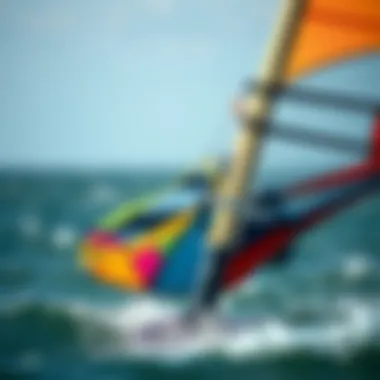
Windsurfing sails are an essential part of the entire windsurfing experience. The right sail not only impacts performance but also enhances the enjoyment on the water. Understanding sails is crucial for any windsurfing enthusiast, regardless of their skill level. They can influence speed, maneuverability, and control, all pivotal elements that can make or break a session.
Sail Types and Their Uses
When diving into the world of windsurfing sails, it becomes clear that there are different types tailored for various styles of riding and conditions. Here’s a closer look at the two predominant options:
Camber-Induced Sails
Camber-induced sails are designed with a unique feature—they have camber inserts that create a fuller shape when combined with the mast’s curve. This characteristic allows for greater power and speed, making them a popular choice among racers and performance-oriented windsurfers. The main advantage of these sails lies in their ability to maintain lift at varied angles of sail and wind conditions.
However, being on the heavier side can make them a tad more challenging to rig, especially for beginners. Yet, the stability and performance they offer can be worth the wrestle during initial setups. For those seeking to push their limits and refine their skills, camber-induced sails are indeed a beneficial investment.
Non-Camber Sails
On the other end of the spectrum, we have non-camber sails. These sails are often lighter and more versatile, providing ease of use for beginners and casual sailors. They have a more straightforward design without fancy inserts, which simplifies the process of rigging and tuning.
The key characteristic here is their straightforward nature, which allows for more responsive handling. Non-camber sails excel in maneuvers, and their adaptability in various wind conditions makes them a staple among leisure windsurfers and those navigating coastal waters. However, they might lack the raw speed of camber-induced variants in certain circumstances.
Sail Size Considerations
Choosing the right sail size can make a significant difference in the windsurfing experience. Factors like the rider's weight, wind conditions, and the type of board in use all play critical roles in making the right selection. Larger sails tend to capture more wind and are suited for lighter winds, making them ideal for heavier riders or those looking for extra lift.
Conversely, smaller sails are better for stronger winds, offering greater control and responsiveness. Understanding how these sizes correspond to conditions ensures a more enjoyable ride and reduces the risk of mishaps out on the water.
"The power of your sail doesn’t just depend on its size but how you interact with it on the water. Experience makes all the difference."
Masts and Booms
Windsurfing hinges on the interaction between wind, water, and equipment, with crucial components being the masts and booms. These elements provide stability and control, influencing not only the performance but also the overall experience on the water. Masts support the sail, enabling effective wind capture, while booms allow the sailor to steer and maneuver. Understanding the intricacies of masts and booms paves the way for making informed decisions when selecting gear.
Understanding Mast Materials
Aluminum vs. Carbon
When diving into the world of windsurfing, the materials your mast is made from can greatly impact performance. Aluminum masts, while often more affordable, tend to be heavier. They provide a decent flex, making them a practical option for beginners who might not want to invest too much initially. On the flip side, carbon masts are lighter and stronger, providing better performance. With their high stiffness, they excel at transferring energy from the sail into motion, which is a key characteristic for those seeking speed and responsiveness on the water.
- Aluminum Masts
- Carbon Masts
- More budget-friendly
- Heavier and may not perform as well in higher winds
- Good for novice windsurfers
- Lighter and stiffer
- Better energy transfer for speed
- A popular choice for advanced riders
The unique feature of carbon, its weight-to-strength ratio, makes it an attractive option for enthusiasts looking for performance. However, the higher price tag can be a deterrent for newcomers. For these reasons, many riders find themselves balancing the desire for advanced materials with financial considerations.
Flex and Stiffness
Another vital consideration when choosing a mast is its flex and stiffness, which play into how your sail reacts in different conditions. Masts with more flex can absorb the impact of waves and gusts, offering some forgiveness, which can make riding more enjoyable. However, too much flex can result in a loss of power and control, especially when the winds pick up.
Conversely, stiffer masts provide solid support and enable the sail to function optimally in strong winds, allowing for quicker response times. This stiffness translates into efficiency as the rider can harness more wind power effectively.
- Flexible Masts
- Stiff Masts
- Provide a smoother ride
- Better for choppy conditions
- May lack power in stronger winds
- Excellent for speed and performance
- Respond quickly to sailor input
- Not as forgiving in rough seas
It's vital to ponder your own riding style and where you'll be sailing the most. Do you often find yourself in cozy bays with gentle breezes, or are you chasing the thrill of high winds on open waters? Each scenario calls for different mast flex characteristics.
Selecting the Right Boom
When considering booms, it’s important to recognize their essential role in steering and controlling the sail. Selecting the right boom doesn’t just enhance performance—it significantly impacts your comfort and control. Booms come in various sizes and materials, including aluminum and carbon, mirroring the choices found in mast selection.
Key factors to keep in mind include length and diameter. Length adjustments will ensure that the boom fits the sail effectively while proper diameter correlates with hand comfort and grip, making a big difference over long rides.
It's worth experimenting with different boom sizes and styles to find what feels best given your unique preferences. Booms that fit well will allow you to maintain better control during maneuvers, enhancing the overall windsurfing experience.
Fin Types and Their Functions
Understanding the different fin types in windsurfing is crucial for both the novice sailor and seasoned expert alike. Fins play a pivotal role in stabilizing the board, enhancing maneuverability, and ensuring overall performance on the water. When selecting fins, various aspects such as design, shape, and size should be considered to suit specific windsurfing styles and conditions. The type of fin can dramatically affect how your board handles in different environments, which makes it essential to get it right.

Understanding Fin Designs
Single Fins
Single fins are perhaps the most straightforward design and have a long-standing popularity in the windsurfing community. Their key characteristic lies in their singular, centrally located fin that protrudes from the tail of the board. This design maximizes tracking and offers a stable ride, particularly beneficial for beginners who are just getting their sea legs.
The unique feature of single fins is their ability to provide good speed while maintaining control, making them particularly suited for freeride conditions. However, they generally lack the agility that can be found in multi-fin setups, which can be a downside for more advanced maneuvers.
Advantages of single fins include:
- Simplicity: Easy to install and maintain.
- Stability: Offers a solid feel for beginners.
- Speed: Delivers good performance in straight-line speed.
Disadvantages can encompass:
- Limited Maneuverability: May be less suitable for freestyle or wave environments.
Thruster and Quad Fin Systems
Thruster and quad fin systems introduce a level of versatility that can enhance the windsurfing experience dramatically. The thruster setup features three fins: one large center fin flanked by two smaller side fins. This configuration allows for a combination of speed and agility, making it a beneficial choice for wave riding and freestyle.
On the other hand, a quad fin setup incorporates four fins, two on either side of the board. This design is often favored by experienced windsurfers as it provides even greater control and responsiveness in choppy waters. The unique feature here is that the increased number of fins allows for tight turns, which can be a game changer in competitive conditions.
Advantages of thruster and quad fin systems include:
- Agility: Enhanced maneuverability for intricate turns and tricks.
- Control: Greater grip in the waves, ideal for surf conditions.
Drawbacks, however, may involve:
- Complicated Setup: More fins can mean more complexity in adjustments.
- Weight: Additional fins may add some weight to the board.
Choosing Fins for Different Conditions
When selecting fins, context matters deeply. Fins should be tailored to match the specific conditions you'll be encountering. For example, in windy, choppy waters, a thruster or quad fin setup might outperform a single fin due to their improved grip and agility. Conversely, calm conditions may favor the straightforward simplicity of a single fin.
- Choppy Waters: Opt for a thruster or quad fin system to maintain control.
- Flat Water: A single fin can suffice for ease and speed.
- Waves: A quad fin system generally provides better maneuverability and responsiveness.
Understanding your environment, riding style, and the particular fins suited to those factors can elevate one’s windsurfing game significantly. Whether you are just starting or honing advanced techniques, the fin setup is a decisive element for achieving performance on the water.
For further reading and exploration of resources related to windsurfing gear, consider visiting the following:
- Wikipedia on Windsurfing
- Britannica’s take on Surfing and Windsurfing
- Reddit’s Windsurfing Community
- National Park Service on Outdoor Activities
- US Coast Guard on Safety Regulations
By giving careful thought to the fins you choose, you ensure a more enjoyable and adept windsurfing experience.
Personal Safety Gear
When it comes to windsurfing, safety gear is not just an option; it’s essential. Windsurfing can be as thrilling as it is perilous, and the right gear can mean the difference between a fantastic day on the water and a regrettable incident. This section will delve into various safety equipment pieces that every windsurfer should consider, focusing on their importance and practical characteristics.
Essential Safety Equipment
Leashes
Leashes are like the safety net of windsurfing. They attach your board to you, making it significantly harder to lose it in the water, which can happen faster than you think. A reliable leash is typically made from durable materials like neoprene or nylon, designed to withstand wear and tear.
It plays a pivotal role in maintaining control during your ride and is especially valuable in rough conditions where a sudden mishap could leave you scrambling. A leash’s primary benefit lies in how it effectively prevents your board from drifting away, allowing you to refocus on your technique instead of chasing after a runaway board. The downside? A leash can occasionally cause entanglements, so it’s wise to practice proper management to keep that from happening.
Life Jackets
Life jackets or personal flotation devices (PFDs) are the unsung heroes of water sports. They provide buoyancy, keeping you afloat should you find yourself in the drink. When selecting a life jacket, look for one that fits snugly without restricting movement. The best life jackets have added features like quick-release buckles and flexible materials that accommodate dynamic movements.
These jackets often come with reflective strips, giving them an edge in visibility—especially useful if a windy day turns into a not-so-sunny day. While life jackets can feel bulky, their practical advantages far outweigh the discomfort, especially if you'd rather not test your swimming skills in unpredictable waters.
Helmets
Helmets are often overlooked in windsurfing but can be vital, particularly during high-speed runs or in choppy waters. A good helmet protects your noggin against unexpected bumps from falls or from your equipment. Many helmets are designed with ventilation in mind, allowing you to stay cool while ensuring safety.
A key characteristic of helmets is their lightweight design, which minimizes neck strain while maintaining maximum protection. It’s always a solid choice to select a helmet that fits comfortably and snugly, without any excessive looseness. While they can feel like overkill for some, anyone who's taken a tumble knows that a helmet can save you from a detrimental injury.
Wetsuits and Specialty Gear
Wetsuits are more than just a fashion statement; they are crucial for staying warm in colder waters. They provide insulation while maintaining flexibility, making it easier to navigate the waves. Specialty gear can include anything from booties for foot protection to gloves for additional grip and warmth. It’s vital to assess the conditions beforehand to determine what level of gear you need, as every bit of protection counts.


In summary, investing in the right personal safety gear is non-negotiable for anyone who is serious about windsurfing. Not only does it enhance your safety and comfort, but it also boosts your overall confidence on the water. Remember, a well-prepared windsurfer is a happy windsurfer.
Maintenance and Care of Equipment
When it comes to windsurfing, your gear is your lifeline. Just like a paintbrush needs a skilled hand, a windsurfer needs reliable equipment to navigate the water effectively. Regular maintenance not only prolongs the lifespan of your supplies but also ensures consistent performance, enhancing your overall experience on the water. Deterioration from neglect can lead to a host of problems, which might turn a thrilling ride into a frustrating endeavor. Therefore, understanding the ins and outs of maintaining and caring for your equipment is paramount for any windsurfing enthusiast.
Cleaning and Storage Procedures
Caring for your windsurfing gear begins with proper cleaning after each use. Saltwater, sand, and debris can inflict damage if left unchecked.
- Wash Post-Surf: Always rinse your equipment with fresh water immediately after use, especially if you've been out in saltwater. This helps to remove any salt deposits that can corrode materials over time.
- Dry Thoroughly: Lay your sails flat on a clean surface to dry, avoiding direct sunlight which can degrade the fabric. Masts and booms should also be dried before storage to prevent any moisture-related issues.
- Storing Properly: Gear storage plays a pivotal role in maintenance. Equipment should be stored in a cool, dry environment away from direct sunlight. Use racks or bags designed for windsurfing gear to keep everything organized and out of harm's way.
Following these simple yet effective procedures can save you from hefty repair bills later. A proactive approach keeps your equipment in prime condition while enhancing its resale value.
Repairing Common Issues
No matter how well you care for your gear, issues can still arise. Understanding common problems and their remedies can save you time and money. Here are some frequent concerns:
- Sail Repairs: Tears in sails can happen. Use a sail repair tape to cover small holes or consider taking your sail to a professional for more extensive repairs. Remember, a well-repaired sail can extend its life significantly.
- Fin Issues: If your fin becomes loose or damaged, you may experience diminished performance. For small chips, a bit of sandpaper followed by marine epoxy can help restore its integrity. Always check the fin’s attachment before hitting the waves, ensuring it is secure.
- Boom and Mast Maintenance: Check the boom grip and mast for signs of wear. If the boom begins to slip, replacing the grip tape can greatly enhance handling. For masts, occasional flex checks can help identify weaknesses before they lead to major failures.
In the long run, being vigilant about potential issues and taking swift corrective action can mitigate costly replacements and ensure you stay on the water rather than sidelined with equipment troubles.
"A stitch in time saves nine." Keeping up with maintenance not only ensures your gear lasts longer but also makes for much more enjoyable surfing expeditions.
For further information on proper maintenance techniques, consider visiting resources such as Wikipedia or Britannica.
By taking maintenance seriously, you set yourself up for success on the water, keeping the focus on riding the waves rather than worrying about your supplies.
Purchasing Considerations
When it comes to windsurfing, selecting the right equipment is crucial for enhancing one’s experience on the water. The Purchasing Considerations section of this article offers insights into what factors to weigh when acquiring gear. From boards to sails, the choices can feel like trying to drink water from a fire hose. Understanding how to evaluate the various options is essential for both novices and seasoned riders.
There are a few key elements that everyone should keep in mind:
- Intended Use: Are you a casual sailor looking to ride the waves during summer weekends, or are you aiming to compete in tournaments? Knowing what you want to do with your gear helps narrow the choices.
- Personal Skill Level: Equipment suited for a seasoned rider may not work for someone new to the sport. Beginners typically benefit from forgiving gear that can ease them into the learning curve.
- Budget Constraints: Windsurfing gear can vary from reasonably priced to sky-high costs. Keeping a budget in mind can help guide choices without going overboard financially.
In addition to these factors, being mindful of trends and innovations in windsurfing gear is advantageous. From progressing technology to sustainable materials, the landscape is always evolving.
Evaluating Brands and Models
When sifting through the wide array of brands and models, critical thinking is your best friend. Not all products are created equal, and understanding the reputation of each brand can save you from buyer's remorse. Before opening the wallet, here are some tips to consider while evaluating:
- Brand Reputation: Research brands that have made a name for themselves in the windsurfing community. Engaging with user reviews on platforms like Reddit or Facebook can offer real-world insights on gear performance and durability.
- Model Specifications: Take a closer look at different models and their specific features. Whether it’s sail shape, board design, or mast material, the nuances matter.
- Community Feedback: Feedback from fellow windsurfers can provide invaluable guidance. Joining dedicated forums can give you a pulse on the best choices available based on experience.
"A brand might look good on paper, but a friend's recommendation can often steer you in the right direction."
Cost vs. Quality Analysis
Striking the right balance between cost and quality is like walking a tightrope. Spending too little might mean sacrificing quality, which can lead to a frustrating experience on the water. On the other hand, splurging on high-end gear doesn’t guarantee a better experience unless you have the skills to utilize it fully. Consider these points:
- Long-Term Durability: Investing in quality gear can mean fewer replacements down the line. Something sturdy might cost more upfront, but if it lasts longer, the overall expense might be lower.
- Resale Value: Some brands retain their resale value over time. If you're looking to upgrade your equipment in the future, a solid choice now can pay off later.
- Performance vs. Price: Sometimes the most expensive gear isn’t worth it if it doesn’t align with your skill level. Look for models that offer good performance at moderate prices.
Understanding the balance between cost and quality is not just about crunching numbers; it's about how that gear will perform for you on the water. Getting the right equipment can significantly impact your windsurfing journey, making it enjoyable and fulfilling.
Emerging Trends in Windsurfing Supplies
Windsurfing is a sport that has evolved tremendously over the years, taking leaps and bounds in technology and design. The emergence of new trends in windsurfing supplies holds significant importance for both newcomers and seasoned sailors alike. Staying ahead of the curve can mean the difference between a mediocre experience and an exhilarating one. As with any sport, the utility and performance of equipment can markedly enhance the overall enjoyment, and awareness of the latest trends is crucial.
Innovative Technologies in Gear
The shift towards innovative technologies in windsurfing gear has opened new dimensions for enthusiasts. Manufacturers are increasingly focusing on cutting-edge materials that can withstand the rigors of both the water and the elements. For instance, advancements in sail designs, such as the use of advanced laminate fabrics, have improved efficiency and responsiveness. These high-tech sails often provide better lift and minimize drag, allowing riders to slice through the waves with ease.
- Smart Materials: The introduction of smart materials offers enhanced durability and flexibility. These materials are not merely fashionable; they improve the performance of boards and sails under various conditions.
- Integrated Sensors: Some boards now come with integrated sensors to measure speed and wind conditions, helping riders optimize their performance on the water.
- Modular Designs: Many brands are also moving towards modular gear, enabling windsurfers to personalize their setup extensively, from mast stiffness to fin configurations.
"The newest trends in windsurfing gear not only enhance performance but also bring a new level of customization and enjoyment to the sport."
This move towards modern technology signifies a pivotal moment for enthusiasts looking to elevate their game. Riding the waves with gear that's designed to respond to not just the water but the wind provides an ingredient of confidence that’s hard to beat.
Sustainability in Windsurfing Products
As the sport grows, it becomes crucial to address the environmental impact associated with windsurfing gear production. Sustainability has taken center stage, with many brands now dedicating resources to develop eco-friendly products. This transition is not merely fashionable; it's an essential step toward protecting the beautiful environments in which windsurfers thrive.
- Recycled Materials: Some manufacturers are now using recycled materials in their product lines. For example, boards made from recycled plastics help reduce waste and lessen the demand for new resources.
- Responsible Production Practices: Brands are increasingly auditing their supply chains to ensure that every aspect of their product creation respects environmental guidelines, ensuring a lower carbon footprint.
- Sustainable Packaging: Alongside this, others have introduced sustainable packaging methods that minimize plastic waste, further demonstrating a commitment to the environment.
As outdoor enthusiasts, it is important to choose supplies that not only serve our recreational needs but also contribute positively to the planet. The new trend toward sustainability provides windsurfers a sense of responsibility and pride as they ride the waves.
Understanding and embracing these emerging trends is key for anyone serious about windsurfing. By keeping an eye on these innovations, aficionados of the sport can ensure they are not just part of the sport but a part of its better future.