
Choosing the Best Wakeboard for Teen Riders


Intro
Selecting a wakeboard for teenagers is no small feat. As any seasoned wakeboarder knows, picking the right board can make or break the experience on the water. It's crucial to understand what makes a wakeboard suitable for younger riders, especially when balancing performance, safety, and enjoyment. With the surge in interest among adolescents eager to hit the waves, parents are keen to make informed choices. This article will dive deep into the myriad of considerations that come into play.
What are the key features? Which size is ideal? And how do advancements in technology affect performance? As we explore these facets, rest assured that the goal is to arm both parents and young riders with a solid understanding to foster safe and exhilarating sessions on the water.
Gear and Equipment
When it comes to wakeboarding, the proper gear can significantly enhance the entire experience. While the focus is on the wakeboard itself, understanding complementary equipment and the latest technologies is just as critical.
Latest Wakeboard Technologies
The evolution of wakeboard technology has paved the way for enhanced performance and safety aspects in recent years. Here are some key innovations:
- Lightweight Materials: Boards now utilize high-grade materials that reduce weight without skimping on durability. This advancement allows for better control and maneuverability, essential for teenagers learning new tricks.
- Rockers and Shapes: Wakeboards are designed with various rocker profiles, affecting how the board interacts with the water. A continuous rocker provides a smooth ride, while a 3-stage rocker offers more pop for tricks. Teen riders should choose based on their preference and skill level.
- Bindings Technology: Improved binding designs provide enhanced support and comfort. Models with adjustable features can cater to growing feet, ensuring safety and control.
Essential Accessories for Every Rider
A wakeboard isn't a lone ranger; it comes with gear that enhances the experience. Here are essential accessories to consider:
- Life Vests: Safety first! Choosing a correctly fitted life vest is paramount. Look for vests that allow for movement but provide ample buoyancy.
- Helmet: Particularly for beginners, a helmet can prevent serious injuries. It’s always wise to gear up, even if it feels cumbersome at first.
- Rope: The right rope is crucial for effective pulls and to prevent accidents. It’s best to go for a rope that’s designed for wakeboarding, as these are specifically crafted to handle the sport's variables.
- Wakeboard Bag: Having a dedicated bag offers protection during transportation and storage. It also keeps everything tidy, making it easier to grab and go.
"Choosing the right gear is half the battle in wakeboarding. It sets the stage for thrilling adventures on the water!"
As we transition to the finer points of skill and techniques, keep in mind that possessing the right equipment not only enhances performance but also promotes safety, allowing for a smooth learning curve while embracing the thrill that wakeboarding offers.
Intro to Wakeboarding for Teenagers
Selecting the right wakeboard for teenagers can be a game changer in their water sports experience. Not only does it enhance their enjoyment, it also plays a crucial role in ensuring safety on the water. As teens step into the thrilling world of wakeboarding, parents often find themselves perplexed with a myriad of choices and features. Gaining a proper understanding of wakeboarding as well as the significance of choosing appropriate equipment is essential for making an informed decision. This article serves as a guide not just for the riders but also for parents looking to support their teenagers in this exciting endeavor.
Understanding Wakeboarding as a Sport
Wakeboarding, at its core, is a watersport that involves riding a wakeboard while being towed behind a boat. Unlike snowboarding, which can feel a bit alien on water, many find wakeboarding to be natural and intuitive. There’s something captivating about gliding over the water surface, feeling the wind whip through your hair as you maneuver around. With its origins going back to the 1980s, wakeboarding has evolved, paving the way for tricks and techniques that can stump even the most seasoned riders.
The beauty of wakeboarding is that it bridges thrill and skill, allowing beginners to enjoy their first rides while providing ample challenge for more advanced riders. For teenagers, this sport not only promotes physical fitness through strength and balance but also cultivates confidence as they learn new skills.
Relevance of Choosing the Right Equipment
When diving into the world of wakeboarding, selecting the right equipment cannot be overstated. A well-chosen wakeboard improves performance and comfort, safeguarding against injuries that can arise from using ill-fitting or unsuitable gear. For teenagers — whose bodies are still developing — this becomes even more critical. Every aspect from board size to the materials affects how they ride and, importantly, how much fun they have on the water.
Moreover, the right wakeboard accommodates their evolving skills.
- Choose Wisely: A board too large or small can make riding cumbersome and frustrating, leading to discouragement. If it’s too stiff, they might struggle with tricks; overly flexible boards can hinder stability.
- Safety First: Each board comes with specific weight and size brackets. Ensuring that the wakeboard aligns with their physical attributes helps prevent mishaps.
- Ride with Ease: The right setup often contributes to a smoother ride, enabling them to focus on their form and learn new techniques without undue stress.
Ultimately, waking up for an adventure on the water should be an exhilarating prospect for teenagers. By understanding the sport and the importance of proper equipment, both young riders and their guardians can better appreciate the nuances that lead to an enriched wakeboarding journey. From savvy purchases to memorable water excursions, it all starts with informed choices.
Factors to Consider When Selecting a Wakeboard
Selecting the right wakeboard for teenagers isn’t merely a matter of picking any board off the rack; it requires thoughtful consideration of various elements that impact the performance and enjoyment of the sport. With so many options available, understanding the crucial factors plays a pivotal role in ensuring that young riders not only stay safe but also enhance their skills and confidence on the water. This section will dissect the key elements to weigh in when choosing the optimal wakeboard, particularly focusing on personal preferences, body types, and riding styles.
Rider's Skill Level
A fundamental consideration in selecting a wakeboard is the rider’s skill level. This factor shapes everything from the board's design to its responsiveness in the water. For beginners, it’s advisable to look for boards that offer a stable feel and forgiving characteristics. Boards designed for novices tend to be wider and have a softer flex, making them easier to control. Conversely, experienced riders might gravitate towards boards that encourage quick maneuvers and tricks. A more responsive board can enable advanced riders to fully exploit their skills, allowing for sharper turns and jumps. Understanding where a rider stands on the skill spectrum will heavily influence the decision-making process.
Board Size and Fit
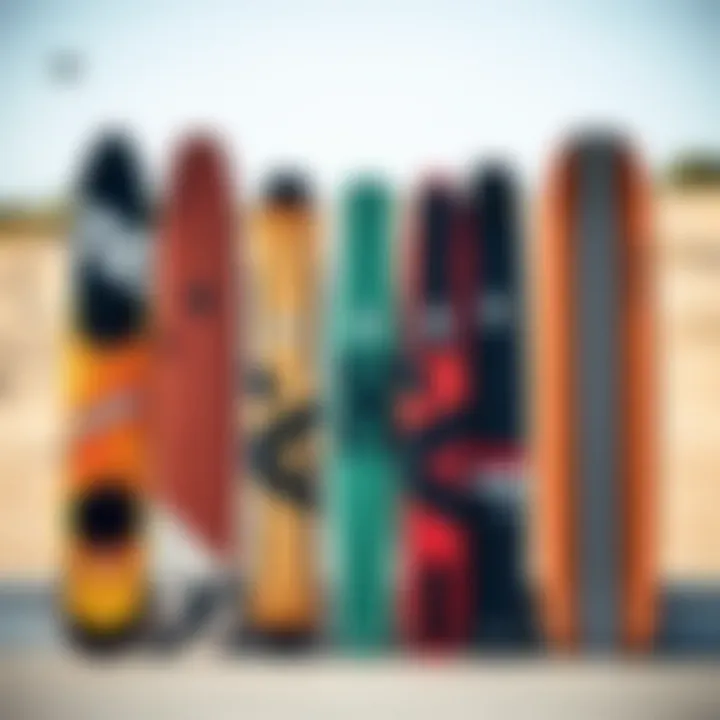
The size and fit of a wakeboard are crucial for a comfortable riding experience. Boards come in various lengths and widths, and selecting the right size isn’t just about personal preference; it relates directly to the rider's weight and height as well. A board that is too small may lack stability while one that is too large can be unwieldy. Generally, taller riders may require longer boards to accommodate their height and weight without compromising performance. When choosing a board, it’s helpful to refer to the manufacturer’s sizing charts that align weight capacity with board dimensions. Keeping in mind that a snug fit can greatly enhance control and comfort on the waves, it’s wise to test a couple of options before settling on one.
Construction Materials
The materials used in the board's construction are also worth considering. Wakeboards are often made from a variety of materials including wood, fiberglass, and foam. Each material contributes to the board's overall performance and durability. For example, wood cores usually provide a more natural flex and a softer landing, while fiberglass might enhance a board's strength and longevity. There are also hybrid constructions that combine both for a balanced performance. Knowing what materials suit the riding style will help narrow down options and improve the decision-making process greatly.
Riding Style and Preferences
Every rider has their unique way of enjoying the water, and this brings us to riding style and preferences. Some teenagers may prefer to carve smooth turns on the water, while others may focus on trick-oriented riding, jumping off ramps and performing spins. Understanding one’s riding style can direct which wakeboard features to prioritize. For instance, a rider who cherishes big air might look for boards with a three-stage rocker design, which helps create a more pronounced lift when launching off wakes. Therefore, having clarity about personal style and aspirations in the sport can lead to a much more satisfying ride.
Weight Capacity
Do not overlook the weight capacity of the wakeboard. Each board has a specific weight limit, which influences its performance characteristics. Overloading a board may lead to subpar performance or even safety risks. Teenagers often go through growth spurts, so it’s wise to anticipate future weight changes. By considering the weight during the selection process, riders can ensure that they choose a board that remains effective for several seasons, catering to their evolving needs.
In summary, each factor discussed is essential in finding the right wakeboard for teenagers. Taking time to understand these elements fosters informed decisions that enhance safety, enjoyment, and skill development on the water.
Types of Wakeboards Available
When diving into the world of wakeboarding, understanding the different types of wakeboards is essential for both parents and teenagers. These boards are not one-size-fits-all; rather, they offer varied features tailored to specific skills and riding styles. Choosing the right type of wakeboard can dramatically impact a young rider's experience on the water, influencing their skill development and overall enjoyment. Let's break down the main types you’ll encounter and the unique characteristics each brings to the table.
Continuous Rocker Boards
Continuous rocker boards tend to feature a smooth arc from nose to tail. This design enhances speed and creates a consistent, fluid ride. Riders often find that these boards are forgiving when landing jumps, which is invaluable for newbies still finding their feet.
Benefits of Continuous Rocker Boards:
- Versatile Performance: The fluid shape allows for a range of riding styles, from casual cruising to technical maneuvers.
- Smooth Landings: The continuous curve helps absorb impact, reducing the risk of hard falls.
- Ease of Use: These boards are generally easier to control, making them suitable for younger or less experienced riders.
However, it's worth noting that they may not provide the same pop off the wake as other designs. If a teen aspires to pull off big tricks or ride aggressively, they might want to explore other options.
3-Stage Rocker Boards
Next up are the 3-stage rocker boards, which are characterized by a more pronounced kick at the tail and sometimes the nose, creating a more dramatic curve. This design is engineered to offer a significant boost when hitting the wake.
Advantages of 3-Stage Rocker Boards:
- Maximized Pop: The distinct shape allows riders to spring off the wake with more height, perfect for executing aerial stunts and maneuvers.
- Precision Control: Riders looking for agility and the ability to perform tricks may find this design more appealing.
- Responsive Handling: The actual feel of the board responding to weight shifts makes it easier for advanced teens to master the water.
On the flip side, the landing may be harsher compared to continuous rocker boards, which might require a bit more skill to manage effectively. The added height can intimidate beginners, so it’s vital to gauge the rider’s experience before committing to this style.
Hybrid Boards
The hybrid boards combine elements of both continuous and 3-stage rocker designs, offering an array of features that make them a middle ground for riders. This versatility is its strongest suit, allowing adaptations based on the rider’s evolving skill level.
Key Features of Hybrid Boards:
- Balanced Performance: Suitable for a wide range of skill levels, hybrid boards provide both smooth rides and the ability to catch air.
- Customizable Feel: Riders can experiment with their style without the need to switch boards entirely, promoting development in skills.
- Suitable for Varied Water Conditions: Often designed to handle various water conditions with greater finesse, making them adaptable.
Despite their versatility, hybrids can sometimes feel like a compromise. Teen riders looking for radical shifts in style might prefer to invest in either a continuous or a 3-stage rocker board specifically.
Understanding the types of wakeboards available is not just about picking a board. It's about matching it to the rider's ambitions and comfort level on the water.


Popular Wakeboards for Teenagers
The landscape of wakeboarding equipment is sprawling, but it’s essential to narrow the focus onto popular wakeboards specifically for teenagers. Choosing the right board is akin to picking the right pair of shoes; it must align with personal preferences and performance expectations. The significance of selecting a suitable model cannot be overstated, as it influences both skill development and overall enjoyment of the sport. Parents and young riders must consider aspects including, but not limited to, style of riding, durability, and compatibility with other gear.
When it comes to wakeboarding, especially for teens who are just dipping their toes into the world of water sports, having access to quality boards can make or break the experience. Here’s a deeper dive into the various types of popular wakeboards to help navigate the waters with ease.
Entry-Level Models
Entry-level wakeboards are designed for those starting their wakeboarding journey. These boards usually strike a balance between ease of use and performance. Models like the Hyperlite Motive or the O’Brien Wakeboard are notable mentions. They often feature a softer flex and a continuous rocker that allows for smoother landings and stable rides, an absolute must for young novices.
- Key Characteristics of Entry-Level Models:
- Lightweight design, which enhances maneuverability.
- Increased surface area offers better stability on water.
- Affordable price point, making them accessible for budget-conscious families.
The main goal for these boards is to instill confidence in young riders. An entry-level model may help them grasp the basics without overwhelming them. They’re also easier to control, helping teens feel more in tune with the water beneath them.
Intermediate Models
Once a teenager becomes comfortable with basic techniques, they may seek a step up in performance. Intermediate boards like the Liquid Force Trip or the Ronix Vault serve as excellent choices. These models often incorporate a blend of features that cater to a rider’s growing skill set while also maintaining a level of forgiveness which is crucial as they learn new tricks.
- Features of Intermediate Models:
- Moderate rocker for a bit more pop off the wake.
- Enhanced edge control for sharper turns.
- More diverse design options allowing for personal flair.
Investing in an intermediate board means teenagers can experiment with flips or spins, unveiling a world of tricks and techniques as their confidence burgeons.
Advanced Models
For those teens who are fully engrossed in the sport, advanced models are where the magic happens. Options like the Hyperlite Era or the CWB Ride cater to proficient riders eager to perfect their craft. These boards are engineered for high performance, featuring technologies that enhance speed, balance, and pop.
- Highlights of Advanced Models:
- Stiffer flex, providing responsiveness, ideal for aggressive riding.
- A variety of rocker styles to suit personal riding tactics.
- High-quality materials that offer durability against wear and tear.
With advanced models, teens can take their performance to a professional level. The intricate designs and enhanced features enable them to conquer challenging stunts and engage in competitive wakeboarding, potentially unlocking a pathway to more serious involvement in the sport.
Selecting the appropriate wakeboard as a teenager is pivotal in shaping their experience on the water. Understanding the differences among various models not only aids in skill development but also keeps the excitement alive in this thrilling sport.
Safety Considerations in Wakeboarding
When it comes to wakeboarding, safety isn’t just a buzzword; it’s a crucial component that can make or break the experience for teenagers. The excitement of gliding across water while performing tricks can easily overshadow the importance of safety. It’s essential to be fully aware of potential risks and make informed decisions, especially when selecting gear and anticipating conditions. This section dives into fundamental safety considerations that every young rider, along with their guardians, should keep in mind, ensuring a fun yet risk-free adventure on the water.
Importance of Wearing Life Jackets
First and foremost, let’s talk about life jackets. Some might think it’s just a fashion statement or something to throw on just for the sake of it. But here’s a fact: wearing a life jacket can literally save lives. Drowning stats might not make a pleasant read, but they emphasize the necessity of precautions. Teenagers, often adventurous and sometimes a bit reckless, may underestimate water currents or their capability to handle unforeseen falls.
Life jackets come in various sizes and designs. Here’s what to look for:
- Proper Fit: A jacket that is too loose might slip off in the water, while one that’s too tight can impede movement.
- Certification: Check if the jacket complies with safety standards by organizations like the U.S. Coast Guard.
- Style and Comfort: With many options available, opt for one that feels comfortable and allows freedom of movement. If a teenager feels good in it, they are more likely to wear it consistently.
It’s also a good practice to ensure the life jacket is appropriate for the rider's weight and skill level. Make sure it’s designed for active movement as wakeboarding requires significant physical activity. In short, life jackets should never be seen as optional gear; they should be seen as a mandatory part of any outing on the water.
Understanding Water Conditions


Next up, let’s not overlook the importance of understanding water conditions. This might not be as glamorous as doing flips in the air, but recognizing how to read the water can dramatically affect a wakeboarder’s safety. Water conditions can vary from glassy smooth to windy and choppy, and even young riders need to be prepared.
Consider these key aspects:
- Wind Speed: Winds can create rough conditions. If it’s blowing more than 15 miles per hour, it’s wise to think twice about hitting the water.
- Water Currents: Spotting currents and their directional flow can help inform decisions about where to ride. Knowledge of local conditions can prevent accidents.
- Obstacles: Be mindful of submerged objects, docks, and other vessels. Always survey the area before going out.
- Weather Changes: The sky can turn threatening in a matter of minutes. Familiarize yourself with weather patterns in the chosen area to avoid sudden storms that could turn a fun day into a dangerous predicament.
Staying informed about water conditions not only enhances the riding experience but also significantly reduces accidents. Prior prep makes power-packed riding much more sustainable.
Maintaining and Caring for Your Wakeboard
Maintaining and caring for your wakeboard is crucial to extending its lifespan and ensuring optimal performance on the water. Just like any other piece of recreational equipment, wakeboards go through wear and tear, especially given the rigorous nature of the sport. Keeping the board in good shape not only guarantees a smoother ride but also enhances safety, which is an essential aspect for teenagers, who may not yet be experienced. Moreover, proper maintenance allows for consistent performance, helping young riders improve their skills and enjoy their time on the water without unnecessary complications.
Cleaning Techniques
Cleaning your wakeboard after every use is an effective way to preserve its quality. Saltwater, fresh water, dirt, and other elements can accumulate on the board, affecting both its appearance and functionality. Here’s how to keep your board spotless:
- Rinse Immediately: After getting off the water, rinse the board thoroughly with fresh water. This helps to remove any salt, dirt, or grime.
- Use Mild Soap: If the board is particularly dirty, use a bucket filled with lukewarm water mixed with a small amount of mild soap. A soft cloth or sponge works well for scrubbing the surface, ensuring no abrasive materials are used that may scratch the board.
- Careful with Fins and Edges: Pay special attention to the fins and edges, as these areas are prone to collecting gunk. A soft brush can help remove stubborn build-up without causing damage.
- Dry Properly: Once clean, dry the board with a soft towel to prevent water spots and any long-term damage from moisture buildup.
Implementing these simple cleaning techniques not only keeps your wakeboard looking great but also helps in its overall performance by allowing for clean interaction with the water.
Storage Best Practices
Where and how you store your wakeboard can significantly influence its longevity. Here are some best practices to consider for storing your wakeboard properly:
- Keep it Indoors: Store your wakeboard in a cool, dry place, preferably indoors. Avoid leaving it in direct sunlight for extended periods as it can warp the materials or fade the graphics.
- Use a Board Bag: Consider investing in a padded board bag for added protection. A bag can shield your board from impacts and dust while making it easy to transport.
- Avoid Extreme Temperatures: Keep the board away from extreme temperatures, particularly heat sources or cold drafts, which can cause the materials to degrade.
- Position Correctly: If you are stacking the boards, always place them upright or horizontally without excessive weight on top. This prevents bending or warping over time.
In summary, maintaining cleanliness and practicing sound storage techniques will not only prolong the life of the wakeboard but also enhance safety and performance. Regular attention to the upkeep of the board can translate to a more enjoyable and safer experience for teenage riders out on the water.
Finale
Selecting the right wakeboard goes beyond just picking a random board off the shelf; it’s a journey that balances sport, style, and safety. In this article, we’ve explored various aspects crucial for teenagers venturing into the exhilarating world of wakeboarding. The right board not only enhances performance but also instills confidence in young riders. It’s vital to consider the rider’s skill level, physical attributes, and preferred riding style when making a choice.
Emphasizing the significance of tailored equipment has been key. Just like a tailor fits a suit, finding the perfect wakeboard can make or break the experience on the water. Parents must understand that investing time in selecting a suitable board brings multifaceted benefits. A board that aligns with a teen's abilities can minimize risks while maximizing enjoyment.
As we wrap up our discussion, it’s clear that every element we examined—from the construction materials to the recommended models—plays a role in shaping a teenager's wakeboarding experience. The right selection promotes safety, encourages growth in skills, and ultimately makes for unforgettable moments on the water.
"Choosing wisely sets the foundation for a world of adventure."
Recap of Key Factors
In summary, the foundational elements to consider for selecting a teenager's wakeboard include:
- Skill Level: Understand if the rider is a beginner or an advanced player. Different boards suit different levels.
- Board Size and Fit: Proper fit affects performance. Teens should be matched with a board that accommodates their height and weight.
- Construction Materials: The material impacts the board's weight, durability, and performance capabilities.
- Riding Style and Preferences: Recognizing whether a rider prefers a laid-back cruise or high-flying tricks points to particular board types that are most suitable.
- Weight Capacity: Boards come with specific weight limits; exceeding them can hinder performance and safety.
These aspects are not just checklist items. They are the core elements that contribute to a safe, enjoyable, and progressive wakeboarding experience for teenagers.
Encouragement for New Riders
For those new to wakeboarding, stepping onto the water may feel a bit daunting. However, take heart! Remember that every expert was once a beginner. It’s perfectly normal to feel anxious or unsure, but the thrill of riding the waves is a journey worth pursuing. Focus on improving skills gradually, and don’t hesitate to seek advice from seasoned riders or instructors.
Consider starting with a lesson or two tailored for beginners. This can help in developing a fundamental understanding of techniques, improving confidence, and, importantly, ensuring safety. With consistent practice and the right gear, it won't be long before you find your rhythm on the water.
So gear up, dive in, and embrace the adventure that awaits on the water. The world of wakeboarding is vast and offers endless possibilities for skill and fun. Happy riding!
For further reading and resources, check out:
Keep the joy of riding alive and remember: the right board is key, but your passion is what truly drives the experience.