
Understanding Mini Bodyboarding: Design and Culture
Intro
Mini bodyboarding stands as a distinctive facet of the surfing world, carving its own niche amidst the waves and building a loyal following of enthusiasts. Different from traditional bodyboards, mini bodyboards offer a unique combination of size, design, and versatility. The essence of this sport lies not just in the ride but in the culture it fosters—a blend of individuals who crave adventure and the ocean's raw beauty.
As we plunge into the intricacies of mini bodyboarding, we will illuminate aspects that typically fly under the radar, examining the gear that powers this exhilaration, the techniques that bring out its beauty, and the community that binds enthusiasts together. There is much to uncover, whether you're just starting or already riding the waves with skill.
In the following sections, we will explore the essential gear every passionate mini bodyboarder should possess and the techniques that can elevate their performance on the waves.
Gear and Equipment
Latest Surfboard Technologies
When selecting a mini bodyboard, understanding the technology behind its design is crucial. These boards differ from their larger counterparts primarily in dimensions, but the performance is often determined by innovative materials and construction methods. Modern mini bodyboards are frequently crafted from durable foam, lightweight yet resilient, allowing for agility in the surf.
Many manufacturers have started integrating advanced features such as carbon fiber stringers, which provide added stiffness without compromising weight. These enhancements result in better control and responsiveness. Boards can also vary in tail shapes; a crescent tail, for instance, helps with maneuverability, while a bat tail may offer improved stability.
Select a board that not only complements your style but also suits the wave conditions you frequent. For example, a stiffer board might suit powerful surf, while a more flexible one can handle smaller, less powerful waves.
Essential Accessories for Every Surfer
Beyond the board itself, several accessories can enhance the mini bodyboarding experience:
- Leash: A durable leash is non-negotiable, ensuring your board doesn’t drift away after wiping out. Opt for a length that suits your riding style.
- Fins: Fins are critical for grip and allowing changes in direction. Many bodyboarders prefer fins with a comfortable fit that allows for swift recovery after a wipeout.
- Wetsuit: Depending on your local surf conditions, a wetsuit can be necessary. While it keeps you warm, it also offers protection against scrapes and injuries during falls.
- Board Bag: Investing in a good board bag protects your gear from the elements, whether it’s sun damage or rough transportation.
These accessories might not be the first things that come to mind, but they are fundamental in making each surfing experience successful.
"Invest in gear that enhances your performance; the right equipment is often the game-changer for surfers."
Surf Techniques and Skills
Beginner Surfing Techniques
For those just dipping their toes into mini bodyboarding, mastering a few foundational skills can make all the difference. Start with practicing how to lie on the board correctly. Position yourself so that your body is centered; this will ensure you catch waves effectively. Also, keep your head up and maintain a relaxed posture.
Paddling out might feel strenuous at first, but building your stamina is key. Use your arms to dig deep and maintain a steady rhythm to glide through the water. Once you feel comfortable, practice catching smaller waves to gather confidence.
Advanced Maneuvers for Experienced Surfers
For the more experienced rider, mini bodyboarding offers opportunities for advanced maneuvers. Techniques such as spins, airs, and flips can elevate the experience and showcase your skill level. Mastering the drop knee position can provide more control when riding larger waves.
Ultimately, whether you're riding a mellow wave or tackling a challenging break, understanding the dynamics of your board, the waves, and your body will guide you in executing precise maneuvers.
End
The journey into mini bodyboarding emphasizes not just technical prowess but also an appreciation for the culture and community surrounding the sport. Gaining knowledge about gear, refining your technique, and connecting with fellow surfers creates a richer experience.
For those interested in exploring more, sites like surfline.com and bodyboarding.com provide additional resources and insights into the ever-evolving world of bodyboarding.
Understanding Mini Bodyboards
Mini bodyboarding has carved out its place in the world of water sports, often providing an exhilarating alternative for both seasoned surfers and newcomers alike. As we dive into this section, we will explore why grasping the nuances of mini bodyboards is essential for those looking to improve their skills or even just to have a good time in the water. This understanding encompasses many elements: design, performance, and even cultural significance within the greater surfing community.
In the broad spectrum of water sports, mini bodyboards stand out due to their streamlined design and versatility. Whether riding on small waves or tackling larger swells, these boards offer unique capabilities tailored to different surfing styles. For instance, mini bodyboards are generally shorter and lighter than traditional boards, allowing for easier maneuverability. This lightweight aspect encourages faster reactions, making them highly sought after for tricks and stunts. Indeed, learning to master a mini bodyboard can significantly heighten the enjoyment derived from the sport, which remains a primary goal for many riders.
Definition and Characteristics
Mini bodyboards are compact surfboards typically shorter than standard bodyboards. They range between thirty to forty inches in length and are crafted for agility and responsiveness. Their smaller size allows riders to engage with the waves in a way that's different from what larger boards offer.
Some critical characteristics of mini bodyboards include:
- Weight: They are generally made from lightweight materials, making them easily transportable and handling well in the water.
- Flexibility: The construction allows for a unique blend of stiffness and flexibility, providing the right amount of pop while maintaining enough control to navigate tricky waves.
- Tail Design: The tail section often features a crescent or bat tail, designed to enhance grip while performing turns and aerial maneuvers.
- Rockers: Mini bodyboards have a distinct rocker profile which enables quick transitions and smooth carving on waves, making them suitable for both shallow and deep-water conditions.
Understanding these components is vital as they dictate not only how the board performs but also how enjoyable the experience can be for the rider. Without a clear understanding of these characteristics, making an informed decision on which mini bodyboard to buy or how to use one effectively could be quite challenging.
Differences from Traditional Bodyboards
The differences between mini bodyboards and traditional bodyboards cannot be overstated. While at first glance they may appear similar, a deeper exploration reveals key distinctions:
- Size and Length: Traditional bodyboards often measure between forty and forty-six inches, tailored for stability and buoyancy, while mini bodyboards prioritize agility.
- User Experience: Mini bodyboards are generally favored by those looking for a more dynamic and energetic surfing style. They beckon both kids and adults seeking thrill, whereas traditional boards might cater better to those looking for a relaxed seaside vibe.
- Performance Adaptability: Mini bodyboards can handle a wider variety of surf conditions, allowing riders to quickly adapt their maneuvers compared to traditional boards.
To summarize, mini bodyboards encapsulate a burgeoning subculture within bodyboarding, providing a unique ride that appeals to a wide array of enthusiasts. Understanding these differences is crucial in exciting the imagination, insights, and aspirations of surfers keen on making waves in their respective surfing journeys.
Design Principles of Mini Bodyboards
Understanding the design principles of mini bodyboards is crucial for enthusiasts seeking the perfect balance of performance and comfort on the waves. This section dives into the core elements that define a good mini bodyboard, ensuring riders can maximize their experience, whether they're hitting the beach for a casual session or tackling competitive circuits.
Materials Used
Materials play a pivotal role in the overall performance of mini bodyboards. The choice of material impacts not only durability but also speed and maneuverability. Many mini bodyboards are crafted from various types of foam, notably polyethylene and polypropylene.
- Polyethylene: Offers a softer feel, good for beginners, as it provides better grip on the waves. It is also less likely to produce hard impacts, making it safer for novice riders.
- Polypropylene: This material is stiffer and tends to perform better in faster and more challenging environments. It allows for sharper turns and enhanced speed.
Besides these, decking materials, like textured surfaces, improve grip, ensuring that riders can maintain control. In essence, the interaction between materials and waves dictates the overall ride, so picking the right material can be the difference between a smooth ride and a wipeout.
Construction Techniques
Construction techniques refer to how mini bodyboards are formed, and these methodologies are foundational in determining their integrity and performance. Generally, two main methods are prevalent: the stringer and no-stringer designs.
- Stringer construction: This involves embedding a rigid rod through the middle of the board. It strengthens the board's structural integrity, enhancing its ability to withstand the pressure of large waves. Riders who enjoy stunt tricks might find this particular design beneficial.
- No-stringer construction: Lighter and often less expensive, this style emphasizes maneuverability and speed. It's favored by those who want to execute swift turns and tricks without being burdened by additional weight.
Ultimately, the chosen construction technique should align with a rider's skill level and intended use. Advanced surfers typically lean toward stringer designs, while casual enthusiasts might prefer the lightweight feel of a no-stringer board.
Shapes and Sizes
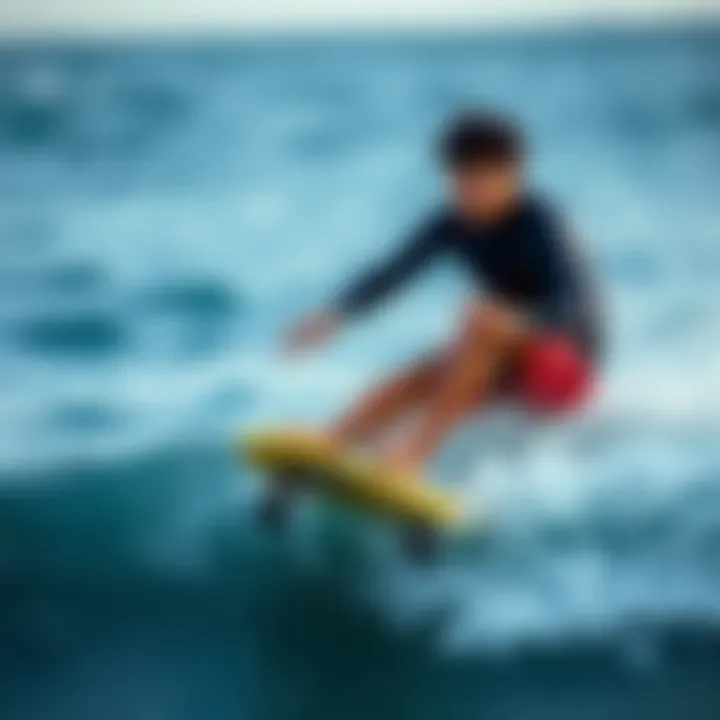
When it comes to shapes and sizes, mini bodyboards vary widely, with distinct options tailored for different styles and experience levels. The shape of a board influences how it cuts through water and how responsive it is under specific conditions.
- Width: Wider boards provide stability and are preferable for beginners. They give extra support during initial rides.
- Length: Shorter boards allow for better maneuverability, ideal for tricks and sharp turns. Veteran riders often choose these to maximize their agile responses to wave dynamics.
- Tail shape: A board's tail can be square, crescent, or even bat-shaped, each offering different benefits. Crescent tails enhance hold in critical wave areas, while square tails help in creating fast release.
Understanding these varying dimensions can significantly impact performance, enabling riders to choose a board that meshes perfectly with their individual riding style.
Comprehending the nuances in design principles equips surfers to make informed decisions, thus amplifying their connection with the ocean and elevating their riding experience.
For more detailed insights into materials and construction techniques, you can explore further resources like Wikipedia and Britannica.
Performance Analysis
The performance of mini bodyboards is paramount for riders seeking both thrill and finesse in their surfing endeavors. Understanding how these boards react in the water, their speed, and the ease of maneuverability can make all the difference in achieving a satisfying ride. This section will delve into the intricacies of performance analysis, shedding light on how various board features contribute to the overall experience.
Speed and Maneuverability
Speed is often the name of the game when it comes to bodyboarding. In the world of mini bodyboarding, achieving optimal speed is influenced by several elements: the board's shape, the materials used, and the rider's technique. A well-designed mini bodyboard boasts a sleek profile that allows it to slice through waves with minimal resistance. Riders who can master their body positioning can further enhance their speed. Leaning forward, or shifting weight, can unleash the board’s potential, enabling it to ride faster and take advantage of wave energy, resulting in a smoother glide across the surface.
Maneuverability is just as crucial. Mini bodyboards are crafted to facilitate sharp turns and tricks. They often feature a smaller width compared to traditional boards, which allows for tighter arcs and enhanced control. Whether it’s a quick snap off the lip of a wave or a smooth bottom turn, the little nuances in board design translate into how riders interact with the water. Lighter boards typically allow for rapid transitions, making them ideal for executing complex maneuvers. Understanding the balance between speed and maneuverability becomes essential when selecting a board suited to one's riding style.
"The beauty of bodyboarding lies not only in the speed but in the dance with the waves—where finesse meets force."
Stability in Various Conditions
While speed and agility are vital, the importance of stability cannot be overstated. A mini bodyboard that performs well in calm conditions may struggle when faced with choppy seas or heavy shore breaks. Stability hinges on the board’s volume, rocker, and overall construction. Boards with a slightly thicker profile tend to offer more flotation, helping maintain balance even when waves are not cooperating. Similarly, a board with a lower rocker—meaning it’s flatter—can provide a steadier ride, particularly on smaller waves.
Waves are unpredictable. Just like a rabbit in a hat, they can surprise even the most seasoned surfers. When venturing into more turbulent waters, it’s important for riders to consider their board's design. Some boards come equipped with channels or special tail shapes that enhance grip on the wave face, boosting stability as waves become rapidly inconsistent.
For those who prefer diverse riding conditions, choosing a board that combines elements of speed and stability is key. Knowing your environment—the type of waves at your local beach or the conditions you plan to ride—can ultimately guide your selection of mini bodyboard, ensuring you’re equipped for whatever the surf may throw your way.
In summary, a performance analysis of mini bodyboards reveals the delicate interplay between speed, maneuverability, and stability. Every rider will face unique challenges and conditions, making it imperative to consider these elements carefully. By grasping these factors, surfers can optimize their experience and truly enjoy the exhilarating nature of mini bodyboarding.
Learn more about bodyboarding performance
Techniques for Mini Bodyboarding
Understanding the techniques in mini bodyboarding is crucial for both newcomers and seasoned surfers. Mastery over these techniques can elevate one’s experience on the water, enhancing performance and ensuring safety. Whether you’re gliding over a wave or perfecting a daring maneuver, having a strong foundation in techniques allows for greater confidence and enjoyment. Here, we will explore the basic techniques that every mini bodyboarder should know, followed by advanced maneuvers that can impress and thrill.
Basic Techniques
Before diving into more complex maneuvers, it’s essential to establish a solid grasp of the basic techniques. These foundational skills might seem simple but are integral to ensuring that you get the most out of your mini bodyboarding experience. Here are some key elements:
- Positioning: Proper body and board positioning is fundamental. When riding, stay low and center your weight evenly on the board. This balance allows for better handling and stability.
- Paddling Technique: Effective paddling can mean the difference between catching waves or getting left behind. Use a smooth, rhythmic motion to paddle. Keep your arms extended and aim for a combination of strength and grace.
- Wave Selection: Recognizing which waves are worth riding is critical. Not all waves are ideal for mini bodyboarding; generally, look for those that break smoothly and are not too steep.
- Take-off Angle: As you catch a wave, your angle of take-off can impact your ride. As a rule of thumb, a diagonal angle usually provides the best direction and momentum.
- Dropping In: As you prepare to drop in, lean forward slightly while keeping your feet steady. This technique can help you maintain speed while ensuring your ride remains smooth.
Learning these basic techniques builds a foundation that will make diving into advanced maneuvers more manageable.
Advanced Maneuvers
Once you’ve got the basics down pat, you might be itching to challenge yourself with advanced maneuvers. These require practice and patience, but they can yield astonishing results when performed correctly. Here’s a look at some standout techniques:
- Air Moves: These involve getting your board off the water. A simple aerial can start with speed; generate lift by leaning back as you reach the peak of a wave.
- 360 Spins: This maneuver is all about control and agility. As you drop in, pivot your body and board while shifting your weight to execute a clean spin.
- Tube Riding: For those who seek that ultimate thrill, finding a wave that allows for tube riding can be exhilarating. Position yourself inside the hollow of the wave for an unforgettable experience. Timing is everything; hang tight and lean into the wave's curvature.
- Re-entries: This technique is performed when you hit the lip of a wave, bouncing back down. The key is executing a smooth transition back onto your board while maintaining speed and flow.
- Belly Riding and Prone Techniques: Understanding how to shift your weight and balance properly while belly riding can allow you to navigate challenging conditions effectively.
Mastering these advanced maneuvers not only enhances your skills but also opens up a new realm of enjoyment in mini bodyboarding. As always, practice safely and with mindfulness to keep the thrill alive.
"The ocean is a canvas; mini bodyboarding is the brush. Paint your own adventure."
For additional insights and tips on techniques, you might find visiting the Wikipedia page on Bodyboarding useful. Engaging with community discussions can also help refine your skills, so consider joining forums on platforms like Reddit where fellow enthusiasts share their experiences.
By mastering techniques, both basic and advanced, you can enhance your catching experience, allowing you to enjoy every wave the world has to throw at you.
Safety Considerations
Safety in mini bodyboarding is not just a suggestion; it’s essential for anyone wanting to enjoy this exhilarating sport. Understanding the potential dangers and how to mitigate risks should be the first order of business for both beginners and seasoned riders. Failing to acknowledge these safety measures can lead to serious accidents, drowning, or worse. In many ways, the ocean's unpredictable nature is akin to driving without a seatbelt—you're taking an unnecessary risk.
Understanding Surf Conditions
Before you hit the water, grasping the surf conditions is crucial. Even the most experienced mini bodyboarders need to assess these factors. To dive in without this knowledge would be like walking into a lion’s den blindfolded.
- Wave Size and Power: Larger, more powerful waves can be intimidating and dangerous. The size of the waves often corresponds to the energy they carry. A small wave can feel like a gentle push, yet a big one might slam into you with a force that catches even experts off-guard. Always choose waves that match your skill level.
- Tide Patterns: This can vastly change the surfing experience. For instance, riding at low tide on certain breaks can expose rocks and shallow waters, while high tide might make it safer but less exciting. Familiarize yourself with local tide charts before heading out.
- Rip Currents: These invisible currents can pull even the strongest swimmer out to sea. Recognizing them is vital. They often appear as gaps in the waves or a muddy channel flowing away from the shore. If you find yourself caught in one, try to swim parallel to the shore instead of against the current.
"No surf condition is worth risking your life. Better to observe than to be caught in a wave that's beyond your control."
Essential Safety Gear
Investing in the right safety gear can make all the difference. While some might think, "Why bother? It’s just mini bodyboarding!" this thought can be shortsighted and lead to regret.
- Leash: This is perhaps the most critical piece of gear. A good quality leash attaches your board to you, preventing it from drifting away if you wipe out. The last thing you want is to chase after your board in turbulent waters, risking injury along the way.
- Helmet: While not as common among bodyboarders, wearing a helmet can save your head from nasty bumps or impacts, particularly in rocky areas. Think of the helmet as your insurance policy against injury.
- Wetsuit: This not only keeps you warm but provides some cushion against impacts. In colder waters, a wetsuit becomes an essential part of your gear. Cold water can sap your strength and focus, which are both critical for safety.
- Flotation Devices: These can be a good idea for beginners or when surfing in rough conditions. Floatation vests can provide additional safety while you're still mastering your skills.
In summary, safety considerations in mini bodyboarding are paramount. While the thrill of riding waves can be intoxicating, it is vital to stay informed and prepared. Always assess surf conditions before entering the water and ensure you’re equipped with the proper gear. Your life, after all, is more precious than any wave.
Cultural Impact of Mini Bodyboarding
Mini bodyboarding isn't just a sport; it's evolved into a culture that intertwines with the broader surfing community. Understanding its cultural impact offers a glimpse into how this niche sport not only shapes individual identities but also fosters a sense of belonging among enthusiasts. The significance of mini bodyboarding stretches beyond the mere act of riding waves; it encapsulates a lifestyle, social interactions, and a shared ethos that resonates with all who participate.
Historical Evolution
The journey of mini bodyboarding can be traced back to the evolution of surfing itself. Although bodyboarding began in the 1970s, the concept of mini bodyboards is relatively younger, emerging as innovations in board design and a shift in surfing culture took place in the ’90s. Originally made from traditional materials, mini bodyboards have undergone a metamorphosis with advancements in technology. What started as a simple alternative to traditional surfing transformed into a scene where riders adopted shorter boards for increased agility and maneuverability.
As technology advanced, materials like high-density polyethylene and durable foam redefined the craft of min bodyboarding. These innovations encouraged younger surfers to embrace the waves in new ways. The rise of social media platforms, like Instagram and YouTube, allowed the culture surrounding mini bodyboarding to flourish, spreading ideas and styles that were once confined to local beaches.
"Mini bodyboarding serves as a bridge for novices and experts alike, inviting anyone to dive in and ride the waves."
The sport's accessibility has resulted in increased popularity in regions previously unassociated with bodyboarding. Now, places such as lakes or rivers can buzz with the energy of young riders learning the ropes. As communities formed around these new hotspots, friendships blossomed, and the culture expanded.
Influence on Surfing Communities


The influence of mini bodyboarding on local surfing communities is palpable. It fosters a unique camaraderie among riders that can be felt on and off the water. Enthusiasts often share techniques, support each other during competitions, and organize community events, which serve to strengthen bonds and promote inclusivity.
Moreover, mini bodyboarding has inspired a spirit of creativity within the surfing realm. From artistic board designs to innovative riding techniques, these boards have opened up new dimensions for expression. This has led to workshops and local competitions that celebrate the unique flair of mini bodyboarding. The presence of various subcultures within the mini bodyboarding scene, catering to diverse age groups and skill levels, significantly enriches the overall surfing community.
Local businesses thrive as they cater not just to surfers but to an entire culture that cherishes ocean appreciation and stewardship. Stores selling mini bodyboards, accessories, and apparel have popped up, turning into hubs of social interaction where surfers swap stories, share tips, and plan meetups.
Mini bodyboarding plays a vital role beyond sport; it shapes identities and creates a sense of place for riders, reinforcing the significance of community engagement and cultural identity in surfing.
Mini Bodyboarding in Different Environments
When you think about mini bodyboarding, it’s easy to overlook how much the environment influences this exhilarating sport. Each setting brings its own unique characteristics to the forefront, shaping techniques, experiences, and even safety considerations. Understanding these environmental factors is key for any mini bodyboarder aiming to gain mastery over the waves. With the right knowledge, one can adapt and thrive wherever the surf calls you, be it a bustling coastal metropolis or a peaceful, secluded beach.
Beach Breaks versus Reef Breaks
The distinction between beach breaks and reef breaks isn’t just a matter of geography; it can dramatically affect your mini bodyboarding experience.
Beach breaks, typically characterized by shifting sands and powerful waves, provide diverse conditions that can change with each tide. This variability can be both a challenge and an advantage. For those just getting their feet wet in mini bodyboarding, beach breaks often offer forgiving waves that are easier to paddle into. However, this ocean dance can quickly shift from calm to chaotic, depending on wind and swell direction.
In contrast, reef breaks offer cleaner, more defined waves that can make for thrilling rides. While they're often considered the playground for seasoned surfers, mini bodyboarders can find great success when they learn the specific limitations and patterns that characterize these breaks. Knowing the precise timing for duck dives as waves break can spell the difference between a perfect wave ride and a wipeout. Reef breaks, while they may provide more consistent shapes, can have shallower waters and sharp corals, which adds a layer of caution compared to the softer landing of a beach break.
"Waves at reef breaks carve their identity from the sea floor. Understanding that character helps you ever so slightly anticipate what they might do next."
To navigate these environments effectively, a good mini bodyboarder will develop skills that are adaptable. Engage your senses and test different techniques to see what works best depending on the wave type.
Urban vs. Rural Settings
Mini bodyboarding isn’t confined to remote coastlines; urban environments also offer unique opportunities. With the hustle and bustle of city life, you might arise to find a more textured surf experience. Urban beaches, often filled with crowds, flip the challenge of finding good waves into a lesson on how to share the space. This setting demands etiquette and awareness since you’re not just riding your own waves but navigating through an ocean of other water sports enthusiasts.
On the other hand, rural settings cater to mini bodyboarders seeking tranquility and untainted surf. Here, one can often enjoy empty line-ups and the soothing backdrop of nature without the chatter of city life. However, remote locations may lack lifeguards and quick access to medical help, placing additional responsibility on riders to assess risks. Examining local surf conditions, understanding tides, and always staying aware of weather patterns cannot be understated.
Both urban and rural environments contribute to the rich tapestry of mini bodyboarding, and adapting to each can improve your competency on the board. When venturing onto urban beaches, familiarize yourself with the local surf culture and regulations, and don’t forget the personal interactions and camaraderie built along the shore. Alternatively, when you choose a rural escape, absorb the nature around you and find joy in a less crowded wave.
Thus, the interplay between these environments offers valuable lessons not just in surfing technique, but in community, safety, and appreciation of the ocean's beauty. As mini bodyboarders, our experiences in different locales shape our skills and deepen our connection to the water.
Mini Bodyboarding for Different Age Groups
Mini bodyboarding offers unique challenges and joys tailored to specific age groups. Understanding how this activity engages children, youths, adults, and seniors can significantly enhance not just individual experiences but also foster community interaction. Each group faces different physical requirements and emotional motivations, which makes it essential to analyze how mini bodyboarding can be adapted or embraced accordingly.
Kids and Young Adults
Mini bodyboarding is often an entry point for children and young adults into the surfing realm. It provides not just fun but also crucial life skills. Engaging in this sport helps foster balance, coordination, and confidence in the water.
The lightweight nature of mini bodyboards is an immediate plus. Kids can handle them easily, and the boards’ sizes are appropriate for their smaller bodies. Safety should be paramount; proper instruction and supervision are key. Youngsters soak in enthusiasm and determination, often leading their peers in the water. Being in the ocean helps them to connect with nature, develop social skills through teamwork, and understand the respect needed for surf conditions.
"Mini bodyboarding is not just about riding waves; it’s about riding the waves of life."
Parents get involved too, creating a shared experience that brings families close together. Community events like beach clean-ups or local competitions can enhance their camaraderie and sense of belonging. Ideal start ages typically range from six to twelve, with emphasis on finding the right balance between fun and skill development.
Adults and Seniors
For adults and seniors, mini bodyboarding can be more than just leisure—it serves as a form of exercise and mental wellness. Many adults seek out this activity as a way to unwind, find solace, or even reconnect with childhood memories. The ocean has a unique ability to diminish life's stresses, providing an exhilarating escape from everyday pressures.
Moreover, seniors have the chance to remain active and agile through mini bodyboarding. Lower-impact than traditional surfing, mini bodyboarding caters to various fitness levels while still offering an adrenaline rush. Establishing the right support system, like joining community groups or recommending localized instruction, can help seniors harness their capabilities without pushing their limits.
Maintaining fitness and flexibility is beneficial, and engaging in related activities like yoga before hitting the waves can enhance performance. Community-based platforms like redbubble.com and facebook.com have begun focusing on older surfers, showcasing success stories to inspire those who think surfing is just for the young.
In summary, tailoring mini bodyboarding experiences by age group optimizes individual satisfaction while promoting a greater connection with the surfing community. Everyone, from the youngest grom to the seasoned elder, has a place on the waves.
Purchasing Considerations
When making the leap into mini bodyboarding, careful thought needs to be given to how you approach the purchase of your gear. Understanding the nuances of purchasing considerations is essential—after all, you're not just buying a piece of foam to ride the waves.
Factors to Evaluate When Buying
Picking the right mini bodyboard involves more than just eyeballing designs and colors. Here are a few crucial factors to keep in mind:
- Size and Weight: Choosing the right size is paramount. A board too big or small can hamper your performance, turning what should be a thrilling experience into a frustrating one. Generally, your height and weight can guide this selection.
- Material Composition: Most mini bodyboards use materials like polyethylene or polyester, but the quality varies. High-density foam boards are often preferable as they provide better buoyancy and durability in rough conditions.
- Tail Shape: The tail design influences how the board performs. A crescent tail offers better control while a square tail could give you extra speed. Think about what type of riding you want to do and choose accordingly.
- Fin Setup: Some mini bodyboards come with fins, while others don’t. The fin setup can add an extra layer of maneuverability, especially for those looking to catch faster waves.
- Your Skill Level: Lastly, pay attention to your skill level. Beginners should aim for boards designed for stability, while advanced riders might prefer those built for tricks and speed.
Taking the time to evaluate these factors can save you a lot of headaches and ensure you get the most out of your mini bodyboarding experience.
Comparing Different Brands
In the world of mini bodyboarding, not all brands are created equal. When shopping around, keep these elements in mind while comparing your options:
- Reputation: Brands with a solid track record often offer reliability. Names like Boga and Advanced Bodyboards have garnered respect by successfully catering to both novice and seasoned surfers alike.
- Innovative Features: Some brands stand out due to their unique technologies. For instance, certain boards by Prone incorporate special contours designed to optimize speed and agility.
- Warranty or Return Policy: Always ask about a warranty or return policy. A company that believes in its product should offer some form of coverage or satisfaction guarantee, giving you peace of mind.
- Price vs. Quality: While it might be tempting to go for a cheaper alternative, understanding the balance between cost and quality is crucial. A more expensive board may offer long-term benefits that save you money down the line.
- Customer Reviews: Dive into customer reviews. Websites like Reddit or even the brands’ official pages provide honest insights that can guide your decision.
It’s wise to test boards in-person when possible. Feeling a board’s flexibility or grip can often sway your decision better than any online rating.
Maintaining Your Mini Bodyboard
Maintaining your mini bodyboard is crucial for maximizing its lifespan and performance. Much like a fine instrument, your board needs proper attention to keep it performing at its peak. Regular maintenance not only ensures durability but also enhances your riding experience on the waves. The importance of this topic can’t be understated; it's about making sure that your investment pays off, allowing you to enjoy mini bodyboarding without sudden issues that could arise from neglect.
Cleaning and Care Techniques
When it comes to cleaning, developing a routine can save you from bigger headaches down the road. It is recommended to rinse your mini bodyboard with fresh water after each session. Saltwater and sand can be harsh on the materials, leading to degradation over time. Here are some effective techniques to keep your board spick and span:
- Freshwater Rinse: Always flush your board with fresh water, especially if you've been riding in the ocean. It helps remove salt and sand.
- Soft Cloth Wipe Down: Use a soft, damp cloth to wipe the surface and remove any grime or residue. Avoid using abrasive materials as they can scratch the surface.
- Check for Damage: After cleaning, take a moment to monitor for any cracks or dings that might need fixing. Early detection can prevent costly repairs later on.
- Sun Drying: Let the board dry in a shaded area, not in direct sunlight, which can warp the materials.
In winter months, it’s especially important to maintain your board, as cold weather can lead to brittleness in materials, so stay vigilant.
Storage Recommendations
Proper storage of your mini bodyboard can significantly prolong its life. Here’s how to store it smartly:

- Cool, Dry Place: Store your board in a cool, dry area to avoid mold and mildew.
- Vertical Position: If possible, keep your board upright in a rack to prevent warping. Laying it flat or leaning it against anything can risk unwanted pressure points.
- Avoid Heavy Loads: Don’t stack heavy items atop your board. The last thing you want is unnecessary weight that could cause flex damage.
- Use a Board Bag: Invest in a good-quality board bag that offers protection against scratching and potential dings when not in use.
By adhering to these maintenance practices, you're not just prolonging your equipment's life; you're also setting the stage for countless thrilling rides in the waves. A well cared-for mini bodyboard is your gateway to enjoying the ocean in the most exhilarating way.
Following these recommendations can ensure that you enjoy a smooth ride every time you hit the waves. Remember, investing time in maintenance will pay off far beyond the shores.
Future Trends in Mini Bodyboarding
The landscape of mini bodyboarding is ever-evolving, influenced by technological advancements and changing environmental perspectives. By examining future trends, we can uncover opportunities for enhancing the sport and its community. As surfers seek to elevate their experience on the waves, it’s essential to keep an eye on emerging innovations and practices that may redefine how we engage with mini bodyboarding.
Emerging Technologies
Innovation plays a pivotal role in shaping mini bodyboarding. Various technologies are surfacing, aiming at enhancing the performance and safety of both beginners and experienced bodyboarders. For instance, the introduction of high-density foam materials—like the use of super lightweight composites—improves buoyancy and speed. These materials not only make for a slick ride but also allow for maneuverability in tricky surf conditions that can often challenge even seasoned practitioners.
Moreover, integration with wearable tech is becoming more commonplace. Waterproof smart devices can now provide data on performance metrics such as speed, wave height, and even heart rate. This integration encourages bodyboarders to push their limits and explore personal growth in their techniques while ensuring safety. Additionally, companies are experimenting with augmented reality apps for training sessions—giving users real-time feedback on their form or tips from renowned athletes.
As novel materials and connected technologies find their way into the market, the understanding of how to best utilize these innovations will also grow among the community. Surfers should keep an ear to the ground because advancements are becoming crucial to gaining competitive edges.
Environmental Considerations
As the world becomes increasingly aware of climate change and its impact on oceans, mini bodyboarding is no stranger to this wave of responsibility. The call for sustainable practices within the surfing community is louder than ever, and mini bodyboarding is responding. The material choices of manufacturers are leading to a beneficial shift; for instance, eco-friendly alternatives for traditional foam are being explored—like plant-based materials that maintain performance without the environmental impact.
Local advocacy groups often promote beach clean-ups or sustainable surf practices, fostering a deeper connection within the community and steering future bodyboarders toward environmental stewardship. Surfers are more frequently discussing the importance of protecting marine ecosystems as coral reefs and other vital habitats face threats from pollution and warming waters.
"The ocean is not just a playground; it's a precious resource we need to safeguard."
Ultimately, the push towards sustainability within mini bodyboarding not only cultivates awareness but also ensures that future generations can enjoy this exciting sport without contributing to ecological degradation. As consumers become increasingly eco-conscious, brands that prioritize sustainable practices may find themselves leading the pack in a competitive market.
By embracing both innovations and environmental responsibilities, the future of mini bodyboarding is poised for growth and exploration, promising to deliver enhanced experiences while ensuring the health of our oceans.
Community Engagement in Mini Bodyboarding
The world of mini bodyboarding thrives not only on the waves but also through the communities that come together around this vibrant sport. Community engagement plays a pivotal role in enhancing the experience, bringing like-minded individuals together to share knowledge, techniques, and camaraderie. \n
By immersing in community activities, enthusiasts can discover a deeper appreciation of the sport while maximizing their enjoyment. There’s an array of elements that factor into community engagement, spanning online interactions, local events, and competitions that showcase the sport's excitement. Each facet builds connections, fosters friendships, and cultivates a supportive culture among enthusiasts. \n
Benefits of Engagement
- Mentorship Opportunities: More experienced surfers often share their techniques with newcomers.
- Knowledge Sharing: Insights about surf conditions, equipment care, and techniques are exchanged freely.
- Social Ties: Many find lasting friendships that transcend the beach, enriching personal lives.
- Access to Resources: Being part of a community opens doors to workshops, product testing, and gear discounts.
Fostering connections can create enriching experiences beyond just riding waves. Now, let’s delve into two key areas of mini bodyboarding community engagement: online platforms and local events.
Online Platforms and Forums
These days, online platforms have become essential for any sport, and mini bodyboarding is no exception. Websites like Reddit and specialized forums dedicate spaces for enthusiasts to discuss everything from gear recommendations to personal experiences on various waves.
In these digital spaces, surfers are able to easily share tips and techniques that could be crucial for beginners and seasoned riders alike. Here are a few areas where these platforms shine:
- Skill Development: Tutorials and discussions on advanced techniques abound.
- Product Reviews: Swapping stories about different brands helps members make informed decisions when purchasing.
- Waves Discussion: Seamlessly exchange info on surf conditions at popular spots or undiscovered gems. \n
Participation in these forums can significantly enhance the individual surfing journey. Newcomers gain confidence through supportive advice, while veterans find satisfaction in sharing their expertise.
Local Events and Competitions
Nothing quite matches the thrill and adrenaline of being involved in local events and competitions. These gatherings not only showcase talent but also strengthen community ties. They're more than mere contests; they’re celebrations of the sport.
Participation can vary widely, from organized competitions at popular surf spots to casual meetups for fun. Here are a few benefits that stem from these local happenings:
- Networking: Meeting fellow surfers, and occasionally prominent figures in the sport, can open up many opportunities.
- Skill Showcasing: Competing provides a platform to display what you’ve honed in practice and get feedback.
- Community Spirit: Engaging in local events fosters a sense of belonging, boosting morale and motivation.
Overall, community engagement in mini bodyboarding creates a rich tapestry of experiences that enhance the sport as a whole. It's where passion, knowledge, and friendship intertwine, ultimately making the journey on and off the waves so much more meaningful.
"The sea is everything: it covers seven-tenths of the globe, and it is the life of every creature that dwells in it." — Jules Verne
The Psychology of Mini Bodyboarding
When it comes to mini bodyboarding, the psychological aspects are often overshadowed by the thrill of the ride or the technicalities of gear. However, understanding the psychological benefits can be pivotal. This sport isn't just about waves and tricks; it’s deeply intertwined with mental well-being and social dynamics. Here, we’ll explore how this niche activity shapes the minds of its enthusiasts and fosters community spirit.
Mental Benefits of Surfing
The thrill of catching a wave goes beyond just physical exercise; it offers substantial mental health benefits that many may overlook. Research has shown that surfing can be a natural stress reliever.
- Boosts Mood: Just the act of being in the ocean can release endorphins, often referred to as "feel-good hormones." These hormones can uplift your spirits and provide a natural high that often lasts well beyond the session.
- Enhances Focus: Riding the waves demands awareness and focus, which can help individuals improve their concentration not only in surfing but also in everyday life tasks. The quick decisions needed while attempting maneuvers fully engage the mind, acting as a form of meditation for many.
- Develops Resilience: Mini bodyboarding teaches perseverance. Whether it’s wiping out or battling harsh conditions, surfers learn to face disappointments and come back stronger. This resilience often transfers into personal and professional aspects of life.
- Connection with Nature: Spending time in nature is known to reduce anxiety and improve mood. The calming effects of the ocean waves and the simplicity of riding a board can offer a soothing antidote to the complexities of modern life.
"Surfing is the most blissful experience you can have on this planet, a taste of heaven." — Give your mind a surf break.
Community and Belonging
Mini bodyboarding is not just a solo activity; it's often about the community. Being part of a group that shares similar passions can help forge bonds that might not exist otherwise. Here’s how community plays a pivotal role in the mini bodyboarding culture:
- Shared Experiences: The thrill of riding waves creates unforgettable moments that people want to share. These experiences often lead to lasting friendships built on trust and camaraderie.
- Support Networks: Whether one is a newbie or a seasoned pro, there’s usually someone willing to offer guidance or share tips. This support can be especially crucial for beginners, making their journey into the sport smoother and more enjoyable.
- Events and Competitions: Many local events create a platform for camaraderie among participants. Competitions can foster a sense of belonging, as participants come together to celebrate skills, dedication, and love for the ocean. These communal gatherings help solidify friendships and networks.
- Online Communities: Platforms like Reddit and dedicated Facebook groups allow mini bodyboarders to connect, share experiences, and seek advice anytime. These connections can be valuable for those who may not have local access to fellow enthusiasts.
In summary, the psychological benefits of mini bodyboarding provide a window into how the sport can enhance mental well-being and foster a deep sense of community. The shared joys, challenges, and the sheer love for the ocean create a unique bond among enthusiasts, making this activity much more than just a sport.
Epilogue
The conclusion of this comprehensive guide on mini bodyboarding is pivotal in fully grasping the dynamics of this specialized surf activity. It encapsulates the essential elements discussed in previous sections and emphasizes the growing significance of mini bodyboarding in the broader surfing milieu.
Summary of Key Points
In summary, mini bodyboarding is not merely a minimalist version of traditional bodyboarding. It has its distinct features that cater to different skills and preferences. You can find remarkable innovations in design, from advanced materials to unique shapes that enhance performance.
- Defining Characteristics: Mini bodyboards are typically shorter and lighter, which allows for increased maneuverability.
- Techniques: The guide has laid out basic to advanced techniques that differentiate mini bodyboarding from its conventional counterpart.
- Safety Considerations: Understanding surf conditions and having the right gear is paramount for safety.
- Cultural Impact: Its evolution and how it influences communities intersect at several points, enriching local surf culture.
Future Outlook
Looking forward, the horizon of mini bodyboarding appears bright. Emerging technologies and environmental considerations are continuously reshaping the landscape. Manufacturers are now focusing on sustainable materials, demonstrating a commitment to eco-friendly practices. As more people engage with this sport, we can expect innovations both in gear and techniques to continue proliferating.
In addition, the mental benefits associated with mini bodyboarding and fostering a sense of community are becoming more recognized. As more people seek to connect with nature, the appeal of mini bodyboarding will likely expand, drawing new enthusiasts eager to experience the thrill and camaraderie that comes with riding the waves.
"The future of mini bodyboarding holds promise, defining a fresh wave in the surfing culture that intertwines innovation with a commitment to the environment."
Revisiting the unique aspects and benefits presented throughout the article offers a comprehensive understanding that can inspire both seasoned surfers and newcomers alike. Whether it's adopting new techniques or engaging in community events, mini bodyboarding presents fantastic opportunities that are just waiting to be explored.