Exploring the Heritage and Craft of Hawaiian Lais
Intro
Hawaiian lais are more than just beautiful floral garlands; they are woven with history, culture, and deep symbolism that speaks to the heart of Hawaiian traditions. The significance of lais transcends their aesthetic appeal, representing a connection to the lush landscapes of the islands, the spirit of aloha, and the vibrant customs of the Hawaiian people. Each strand of a lai tells a story, whether it's worn to commemorate a special occasion, to honor a loved one, or simply as a part of daily life.
The craftsmanship involved in creating these impressive adornments also reflects the skills passed down through generations. From the careful selection of flowers to the intricate techniques used to bind them, making a lai requires an understanding of the natural elements and artistic sensibility. This article aims to illuminate the historical evolution of lais, the artistry behind them, and how they manifest in various Hawaiian cultural expressions, highlighting their integral role in both ceremonial and everyday contexts.
As we navigate this rich tapestry, we will explore the way lais embody not just individual moments in time but the broader narratives of Hawaiian society. By understanding the significance of lais, we foster a deeper appreciation for Hawaiian culture and its enduring traditions. This journey into the world of lais promises not just insight but a connection to the heritage that continues to thrive across the islands.
Preface to Hawaiian Lais
The Hawaiian lai is more than just a garland; it is a rich tapestry woven with cultural threads, historical significance, and craftsmanship that echoes through the islands. For those seeking to comprehend the essence of Hawaii, understanding lais provides insights into the islands' traditions, values, and aesthetic expressions. This article will explore the multifaceted nature of Hawaiian lais, from their ceremonial importance to the intricate techniques behind their creation.
Definition and Overview
In simple terms, a Hawaiian lai is a decorative wreath made usually from flowers, leaves, or shells, worn around the neck or around the head.
Lais embody the spirit of "aloha," representing love, respect, and the bond between individuals. They are often given during special occasions such as graduations, weddings, or when welcoming visitors, serving as tokens of affection and hospitality.
In Hawaiian tradition, the act of giving a lai is deeply rooted in cultural etiquette, signifying not just a present but a gesture that carries emotional weight. It conveys sentiments and encourages connections among people. Different types of lais highlight distinctive attributes, from the vibrant floral variety symbolizing beauty to those crafted from shells representing wealth and prosperity.
Historical Context
The significance of lais in Hawaiian culture can be traced back centuries. Originally, lais were crafted using natural materials that were abundant in the environment. Flowers such as plumeria, hibiscus, and tuberose were commonly used, along with leaves and even animal components like feathers. However, with the arrival of Western influences, the styles and materials used in crafting lais began to evolve.
Early Polynesian settlers introduced their own traditional practices, blending them with the existing Hawaiian customs. During historic milestones like the introduction of Christianity in the 19th century, lais also took on layers of new meanings, paralleling shifts in societal values. Thus, the cultural landscape of lais has been a reflection of the changing dynamics within Hawaiian society.
Notably, the crafting of lais became highly skilled artistry, as families passed down techniques through generations. This ensures that each lai is not just a decorative item but a piece of living history, encapsulating stories and connections between the past, present, and future generations.
In the upcoming sections, we will dive deeper into their significance and craftsmanship, unveiling the intricate relationship between these garlands and Hawaiian cultural identity.
Significance of Lais in Hawaiian Culture
Hawaiian lais serve as a vibrant thread woven into the rich fabric of the islands’ cultural identity. They represent more than just decorative garlands; lais encapsulate history, emotions, and a sense of belonging. Each lei, crafted from natural elements, carries a backstory, often tied to significant life events, and reflects the deep-rooted values and beliefs held by the Hawaiian people.
"A lei represents love, honor, and respect, making it a vital part of our culture and traditions."
Ceremonial Uses
In Hawaiian culture, lais play a crucial role during ceremonial events, both joyous and solemn. From graduations to weddings, the offering and receiving of a lei is a gesture rich with meaning. When one receives a lei, it is customary to show appreciation by bringing it to one’s face and inhaling its fragrant aroma, symbolizing an exchange of love and blessing. Some notable ceremonial events include:
- Graduations: Graduates often wear lush floral lais as a celebration of achievement. This signifies the transition into a new chapter of life—marking hard work and dedication.
- Weddings: Lais crafted from exotic blooms are used as bridal decorations or gifts, symbolizing the couple’s love and unity. In this context, lais become a part of the sacred vows exchanged during the ceremony.
- Funerals: Lais are also key in farewell ceremonies, where they are placed on the deceased as a mark of respect and love. They highlight the belief that the lei serves to accompany the spirit to the next journey.
Understanding these ceremonial uses reveals how lais permeate all aspects of Hawaiian life, transcending mere adornment and embodying heartfelt connections between individuals.
Symbolism and Meanings
The symbolism linked to lais is both profound and multifaceted. Each component—from the flowers to the weaving techniques—carries its own significance, which adds to the layers of meaning behind each lei. Here are some common symbols:
- Alohalas (Greetings): A lei is often regarded as a symbol of welcoming and friendship. Offering a lei is a way to express a warm greeting to locals and visitors alike, fostering bonds between individuals.
- Floral Representations: Different flowers convey varied meanings. For instance, the plumeria symbolizes love, while the hibiscus represents beauty and pride. This diverse symbolism allows artisans to customize lais according to the sentiment they wish to express.
- Cycles of Nature: The process of crafting lais, from gathering materials to building the finished product, mirrors the cycles of nature and life. In many ways, this reflects a connection to the land and natural resources, emphasizing the relationship between the people and their environment.
Through lais, Hawaiians can articulate feelings and intentions that words often fail to capture. It is through this intricate blend of craftsmanship and deep cultural meaning that lais maintain their significance across generations, echoing the principles of love, unity, and respect that are fundamental to Hawaiian traditions.
Craftsmanship of Hawaiian Lais
Hawaiian lais are not just ornamental pieces; they symbolize the weaving together of culture, tradition, and artistry. The craftsmanship behind these garlands goes beyond simply stringing together a few flowers. It relies heavily on deep knowledge of local materials, techniques, and personal creativity. The elements of this craft have been passed down through generations, reflecting both respect for nature and an appreciation for aesthetics. Every lais tells a story, and understanding how they are made enhances the connection to Hawaiian culture.
Materials Used
Natural Flowers
Natural flowers stand at the heart of lais, adding beauty and fragrance. The vibrancy of these flowers is not merely for appearance; they carry meanings specific to the culture. For instance, the plumeria, known as frangipani, is a popular choice because it offers a delightful aroma and a broad palette of colors. The freshness of these flowers is a key characteristic, allowing them to play a crucial role in ceremonies and daily wear.
However, seasonality can impact availability, which poses challenges. Some flowers may only bloom at specific times of the year, and using certain types can require knowledge about the local flora. This factor makes selecting the right flowers an important step towards crafting a meaningful lais.
Leaves
Leaves add structural support and a lush textural element to lais. Commonly used leaves include ti leaves and ferns. The durability of ti leaves, for instance, allows creators to craft lais that can withstand the rigors of wear. They symbolize strength and resilience in Hawaiian culture.
The characteristic of leaves as a supporting element rather than the focal point is interesting. While they enhance the aesthetics, they also serve practical purposes, like ensuring the arrangement holds together. However, a potential disadvantage is that leaves may limit the color variety compared to flowers, so careful selection is vital.
Other Elements
In addition to flowers and leaves, other elements like shells, seeds, and beads sometimes find their way into lais. Shells, for example, add a distinctly Hawaiian touch, often recalling the ocean and the islands’ maritime heritage. Using shells infuses the lais with both cultural and aesthetic significance, representing the natural bounty of the seas.
The use of other materials can make lais more personalized. Combining various elements allows for unique expressions of individuality, and this mixing can create a beautiful fusion of textures and symbols. However, when integrating these other components, one must consider their weight and balance within the garland, which could affect wearability.
Crafting Techniques
Weaving
Weaving is a foundational technique in creating lais. This method involves interlacing materials to create a cohesive structure. The intricacy of this technique can take years to master; it requires precise hand movements and a keen eye for pattern. Weaving layers of flowers and leaves creates depth and complexity in the overall design.
The unique aspect of weaving lies in its ritualistic nature. It is often a shared activity among family or friends, emphasizing community and shared values. While it can create sturdy lais, one needs to ensure that the flowers remain fresh and attractive throughout the process, which can sometimes be tricky.
Stringing
Stringing is perhaps the most straightforward and widely used method of laying out a lais. This technique involves threading flowers and leaves onto a line or cord. It’s often seen as a more accessible craft, making it popular among beginners. The speed of this method allows for rapid creation, especially during festive occasions like graduations or birthdays.
Despite its simplicity, stringing has its limitations. Over time, the tension on the string can cause some flowers to fall off or wilt quicker than those woven into a more complex design. This makes careful attention necessary to retain freshness, especially for lais meant to be worn for an extended period.
Knotting
Knotting is an essential skill that ties the various elements securely. This technique ensures that the flowers and leaves don’t simply fall from the string. The strength of the knots formed can greatly affect the longevity of lais. Furthermore, the aesthetic impact of knots can enhance the overall visual appeal.
However, a novice crafter may find knotting to be somewhat of a challenge, particularly in achieving the right firmness without damaging delicate materials. Thus, it may require some practice and patience to perfect this technique, yet the end result rewards this effort with durability and elegance.
Types of Hawaiian Lais
Hawaiian lais are not just decorative pieces; they carry the weight of history, culture, and personal expression. There are varying kinds, each with its own unique charm and meaning. Understanding the types of Hawaiian lais elevates one's appreciation for these timeless garlands. This section will explore the three primary types:
- Floral Lais
- Shell Lais
- Seed Lais
Floral Lais
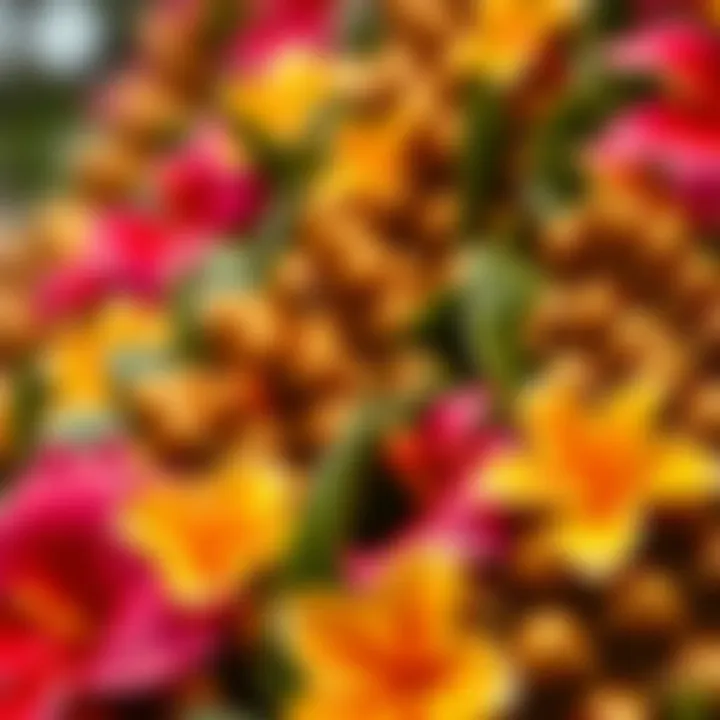
Floral lais, often the most recognized type, are crafted using fresh flowers and bursts with vibrant colors. The aesthetic appeal is unmistakable, often adorned with delicate, aromatic blossoms like plumeria, hibiscus, or orchids. Floral lais are commonly used in ceremonies — from graduations to weddings, offering a touch of intimacy and festivity.
The significance of floral lais extends beyond mere beauty. Each flower holds its own symbolic meaning:
- Plumeria represents positivity and renewal.
- Orchids signify strength and beauty.
- Hibiscus often embodies the essence of the islands.
“In the islands, it’s not just about wearing a garland; it’s about wearing a piece of one’s culture and feeling connected.”
Crafting floral lais requires knowledge about the right species and their arrangements, making this an art form steeped in tradition.
Shell Lais

Shell lais, while less common than their floral counterparts, showcase the island's rich marine resources. They exhibit a different kind of beauty and tell the story of the ocean's bounty. Made from shells of various origins, such as cowrie or puka, these lais are often used in more casual settings, or as accessories for surfers and beachgoers.
The craftsmanship involved in shell lais is meticulous. Each shell must be selected carefully to ensure it complements the others, and the skill to string them together in a pleasing arrangement is vital. These lais serve as a strong reminder of the cultural connection to the sea,
- They often evoke feelings of adventure and freedom, symbolizing the spirit of Hawaii.
The durability of shell lais means they can be cherished for years, even becoming family heirlooms. This enduring aspect adds a layer of significance, bridging generations with memories of Hawaii.
Seed Lais
Seed lais offer a different look and feel altogether. Made primarily from seeds like the attractive Kukui nut or the tiny seeds of the Akia plant, these lais are earthy, often brown or green in color, and provide a contrast to the vibrant floral or shiny shell varieties. The crafting of seed lais requires patience, as seeds are often smaller and need intricate handling to string together effectively.
These lais often emphasize a more natural aesthetic, linking the wearer to the land of Hawaii. In many cases, they contain cultural significance that reflects a respect for the planting of native flora and the sustainability of indigenous resources.
Lais in Contemporary Society
In today’s fast-paced world, Hawaiian lais have transcended their traditional roots, finding new meanings and purposes. These beautiful floral garlands act not only as ornaments but also as symbols that bridge heritage and modernity. By exploring their role in contemporary society, we can understand how they resonate with both locals and visitors alike, while ensuring the preservation of a rich culture.
Commercialization of Lais
The commercialization of lais impacts their availability and presentation. In various tourist markets, lais are often sold in vibrant colors and imaginative designs, appealing to a wider audience. This has both positive and negative implications.
- Availability: Many shops on popular islands such as Oahu and Maui have taken advantage of tourism, creating a demand that makes lais accessible almost everywhere. Tourists can purchase or commission custom lais for various occasions, ranging from luaus to weddings.
- Diverse Materials: Alongside traditional flowers, some artisans have begun using synthetic materials and innovative designs, broadening the artistic expressions of lais. While this ignites creativity, it risks watering down the authenticity of traditional craftsmanship.
- Cultural Awareness: On the flip side, commercialization has sparked interest in Hawaiian culture. Tourists who purchase lais often inquire about their meaning and history, which fosters engagement in understanding and appreciating Hawaiian traditions.
However, it’s important to tread carefully. The risk of lais becoming mere souvenirs threatens the intrinsic meaning they hold for the Hawaiian people.
Impact on Tradition
The influence of contemporary practices on the tradition of lais cannot be understated. As societal trends shift, so do the customs surrounding these garlands. The impact is multifaceted:
- Integration into Celebrations: Events like graduation, marriage, and even surf competitions often incorporate lais, reinforcing their significance in both cultural and personal milestones.
- Loss of Knowledge: As the demand for lais grows, younger generations may not learn how to create traditional lais, leading to a loss of this craftsmanship. The elders who once passed on skills and stories are witnessing a decline in their roles, which puts the authenticity of lais at risk.
- Cultural Revitalization: On a positive note, there’s been a resurgence in interest to learn traditional methods. Young artisans are actively seeking out mentors to revive ancient techniques, blending them with modern interpretations. This not only keeps the craft alive but also enriches the cultural landscape.
"Lais are more than just beautiful adornments; they're a tapestry of our history and identity that we must cherish and evolve."
In summary, while the commercialization of lais brings visibility to Hawaiian culture, it also challenges tradition. Finding a balance between celebrating their beauty and honoring their historical significance is crucial for preserving this important aspect of Hawaiian heritage.
Connecting Lais with Surf Culture
The relationship between Hawaiian lais and surf culture is both unique and reflective of a broader cultural tapestry. Surfers in Hawaii often view lais not just as decorative pieces but as symbols of connection—both to the ocean and to communal spirit. With an island heritage deeply intertwined with the sea, lais carry meanings that resonate with surfers, enhancing their experience both in and out of the water.
Lais as Surfboard Accessories
In the surf community, lais are frequently seen adorning surfboards, adding a touch of island tradition and natural beauty. These floral garlands are often strung along the rails or displayed near the tail of the board. The practice of accessorizing surfboards with lais has its roots in respect for the ocean and the natural elements that surround it.
- Aesthetic Appeal: Lais provide an eye-catching appeal, connecting a surfer’s identity to the natural beauty of Hawaii. Each lei can be made from various flowers or materials, making every board unique to its owner.
- Cultural Statement: This adornment symbolizes a deeper respect for Hawaiian culture. When surfers use lais, they acknowledge the traditions that surround surfing in Hawaii and the connection to the land.
- Ritualistic Element: Many surfers believe in the spiritual energy of their lais, imbuing their equipment with a sense of protection and good fortune. Surfing, after all, is not just about riding the waves but also about the relationship between the surfer and the sea, where traditional practices still hold value.
"In Hawaii, surfing is a way of life. Integrating lais into our boards shows our love for the culture and the ocean."
Lais in Surf Competitions
During surf competitions, lais play a significant role, contributing both to the celebratory atmosphere and the cultural significance of the event. Competitors and spectators alike often wear or display lais, creating a vibrant, flower-filled setting that enhances the festive spirit.
- Awards and Recognition: Lais are sometimes awarded to surfers when they reach the podium, symbolizing achievement and honor. The act of draping a lei over a winner's neck conveys respect and gratitude from the community.
- Unity among Surfers: The act of sharing lais among competitors builds camaraderie among surfers, a shared appreciation for heritage and skill transcending rivalries. It reinforces the idea that even in competition, there is a collective enjoyment of the sea's bounty.
- Connection to : These events are not merely contests but rather celebrations of the spirit of Aloha, where lais act as emblems of goodwill among participants. They remind everyone involved that the heart of surfing is not just about individual prowess but about the community and shared experiences.
The intertwining of lais and surf culture encapsulates both a reverence for nature and the essential connections that bind local communities. The practice of incorporating these garlands into surfing rituals enhances not only the aesthetic value of the sport but also the cultural depth shared among its practitioners, echoing sentiments of heritage and belonging.
Environmental Considerations
Hawaiian lais have a profound place in the culture and traditions of the islands. As their popularity grows, it is essential to talk about the environmental aspects of crafting and sourcing these beautiful garlands. The ongoing relationship between these floral creations and the natural world underscores the need for sustainable practices within the community. For surfers, outdoor enthusiasts, and travel bloggers, understanding these considerations can enrich one's experience in Hawaii.
Sourcing Sustainable Materials
When it comes to making Hawaiian lais, manufacturers and crafters must think carefully about the materials they use. By sourcing sustainable materials, they help protect the local ecosystem. Specific flowers, like the beautiful plumeria or fragrant pikake, are wonderful choices, but they must come from responsible growers and not threaten their native environments. Here are a few sustainable practices:
- Locally Sourced Flowers: Prefer flowers that are grown on the islands rather than imported ones. This minimizes the carbon footprint and supports local farms.
- Use Native Plants: Native Hawaiian plants are not just beautiful, they are vital for the local ecosystem. Plants like maile and hala can be wonderful in lais while ensuring ecological balance.
- Limit Harvesting: When gathering flowers or leaves, it's crucial to gather responsibly without over-harvesting, allowing the populations to remain healthy.
Taking a step further, various initiatives focus on educating lais makers about the environmental significance of their choices. Increased awareness is a key driver that leads to healthier practices.
"Choosing sustainable materials creates a ripple effect, promoting conservation in our natural landscapes."
Cultural Preservation of Native Plants
Moreover, preserving native plants is not just about eco-friendliness; it resonates deeply with the Hawaiian way of life. These plants serve as identifiers of cultural heritage and possess significant meanings in local traditions. By utilizing native flora in lais, there's also an education component for both locals and visitors alike. Some essential points regarding this preservation include:
- Cultural Significance: Plants used in lais often hold stories. For example, maile symbolizes love and unity, connecting people to their roots.
- Biodiversity: Protecting these native plants helps maintain biodiversity which is key for the islands' ecological health. This ensures that future generations can continue to enjoy the unique flora of Hawaii.
- Community Projects: Local efforts, like restoration projects for endangered species, help in replanting native plants in their natural habitats thus enhancing the fauna and flora balance.
In summary, understanding the environmental considerations surrounding Hawaiian lais not only enriches our appreciation for their beauty but also underscores our collective responsibility to protect and sustain this unique cultural artifact for future generations. As surfers and adventurers delve into the enchanting world of Hawaiian lais, they also become stewards of the land, embracing practices that further protect these vibrant ecosystems.
Personalizing Your Own Lais
Personalizing a lais is more than just a creative endeavor; it's a way to express individuality and connection to Hawaiian culture. A lais bears personal significance, often reflecting the wearer’s dreams, relationships, and memories. The beauty of creating your own lays lies in the ability to choose elements that resonate with you, making each one not just a decorative accessory but a meaningful piece of art.
When you add your touch to a lais, you tell your unique story. Selecting specific flowers, colors, and scents allows for a deeper connection, reminding wearers of beloved places, events, or people. Whether it's a birthday, graduation, or simply an expression of love, customized lais transform the general into the extraordinary. Moreover, personalizing your own lais can engage you in the traditional crafting techniques, making the act itself a celebration of Hawaiian craftsmanship.
Choosing the Right Flowers
Choosing flowers for your lais plays a critical role in its overall significance and presentation. Certain flowers hold specific meanings in Hawaiian culture, which can enhance the message you want to convey. For example, the plumeria, known for its sweet scent and beauty, often symbolizes love and new beginnings, making it a great choice for joyful occasions. Alternatively, the kauna'oa, or golden chain, represents strength and healing, a perfect fit for someone embarking on a challenging journey.
Think about your own preferences, too. Do you prefer bright colors or soft pastels? Are you drawn to fragrant blossoms or those with a more subtle scent? In creating your personalized lais, it’s important to consider aesthetic appeal as well as emotional significance. Mix and match various flower types to create a vibrant and meaningful garland. Don't forget to harvest responsibly; engage with local farmers or pick from your garden if you have one, ensuring a sustainable approach to flower sourcing.
DIY Designing Techniques
Step-by-Step Guide
Creating a personalized lais isn't particularly rocket science, but it does require some care. Here’s a straightforward approach to crafting your own lais:
- Gather your materials: Choose a selection of fresh flowers and any additional elements you'd like to incorporate. Consider using colorful leaves or even shells for an eclectic touch.
- Prepare the flowers: Trim the stems and remove any excess leaves to ensure they don’t overwhelm your design.
- Choose a base: Use a sturdy string or thread as the backbone of your lais. Keep in mind the length you wish to achieve based on how it will be worn.
- Weave your design: Simply string the flowers in a pattern you like, alternating colors or types as you see fit. It's all about creativity.
- Finish it off: Tie off the ends securely to form a closed loop or let the lais hang freely if preferred.
Crafting your own lais offers an invaluable opportunity to engage with Hawaii's traditions while expressing personal creativity. The process is meditative, allowing you to appreciate the beauty of nature and the significance of each flower you use.
Common Mistakes to Avoid
Creating your own lais can be fulfilling, but a few common missteps can throw a wrench in the process. Here are some pitfalls to steer clear of:
- Overstuffing: While it might be tempting to pack as many flowers in as possible, overcrowding can lead to a layout that's messy or hard to manage. Less is often more when it comes to aesthetics.
- Ignoring Scent: Many flowers have strong fragrances that can be overwhelming when combined. Pay attention to scents to avoid clashing aromas.
- Using wilting or damaged flowers: Opt for fresher beauties. Wilting flowers compromise the lais' lifespan and overall appeal. Always opt for flowers that are vibrant and healthy.
- Not considering the wearer's size: Tailoring the length and weight of the lais to the person who will wear it ensures it’s comfortable. A heavy, long lais may be cumbersome for a child, while a delicate lais might not hold up well on a windy day.
By being mindful of these potential pitfalls, you can enhance the quality and significance of your lais, ultimately creating something that you'll appreciate even more.
Ending
As we tie the knot on our exploration into Hawaiian lais, it’s essential to reflect on their profound role woven into the fabric of Hawaiian culture. Lais serve as more than mere ornamental garlands; they embody a rich history and craftsmanship that speaks volumes about the islands' identity. From celebrating milestones to gently adorning the necks of loved ones, their significance cannot be understated.
Reflecting on the Role of Lais
Lais are a symbol of love, respect, and authenticity in Hawaiian tradition. Whether given during a graduation or worn at a wedding, these floral creations represent personal connections and cultural heritage. They serve as a tangible representation of Aloha, the Hawaiian spirit of love and compassion.
- Cultural Significance: In ceremonies, lais offer a visual feast, blending beauty with meaningful expression. They are tied into narratives of ancestry and identity, reminding recipients of their roots.
- Craftsmanship Insight: The artistry behind these garlands—whether it’s the careful selection of flowers like leis of plumeria or unique designs incorporating seashells—highlights a connection between the maker and the materials used, showcasing deep respect for nature.
- Sustainability: With growing awareness of environmental issues, mindfulness in sourcing materials becomes important. It is crucial to balance the appreciation for tradition with a commitment to ecological responsibility, promoting practices that preserve native plant species used in crafting lais.
As we sail through discussions about culture, craftsmanship, and environmental stewardship, the thread that binds these insights is the enduring legacy of lais. Each lei tells a story, echoing through generations and carrying with it the hopes and dreams of the people of Hawaii. It becomes clear that these floral garlands are not just decor; they are cultural narratives worthy of appreciation and preservation.
"Lais are not just adornments; they are woven stories of a people and their land."
In closing, perseverance in the appreciation of these handcrafted treasures not only honors Hawaiian rituals but also fosters an enduring bond with nature and community.